The annual Salone del Mobile fair is a furniture mecca, but Milan is a year-round destination for design lovers, says Francesca Perry
 Milan, Italy | Italy Sotheby’s International Realty
In Italy, visitors might flock to the storied cities of Venice or Rome, but Milan manages to combine elegant historic architecture with a real livability that places contemporary culture front and center. Not only is the city home to agenda-setting fashion weeks, but it functions as a hub for design in the broadest sense. This is brought to life most vividly each spring when Milan hosts the iconic furniture fair Salone del Mobile, this year running April 8-13, and the hundreds of exhibitions and events that accompany it.
During this annual celebration of design, the city’s palaces, museums and showrooms become a stage for the best in contemporary furniture and interior decor. For one week, Milan is the only place to be. But it is the beating heart of design year-round, too: home to leading European brands and top creatives, as well as a prominent design museum. For those with a passion for stylish interiors, it’s the ideal city to live in.
The Salone del Mobile fair began in 1961 as a way to champion Italian furniture design and has only grown in scope, size and impact over the decades. This year, a focus on lighting design is accompanied by installations from Oscar-winning Italian filmmaker Paolo Sorrentino, French interior designer Pierre-Yves Rochon and Japanese architect Sou Fujimoto.
 Milan, Italy | Italy Sotheby’s International Realty
While Salone remains primarily a trade fair, taking place at the large Fiera Milano exhibition space on the city’s outskirts, events across the rest of Milan—under the umbrella of “Fuorisalone” (translating to “outside Salone”)—include everyone. This constellation of activity adopts a different theme each year, which for 2025 is “Connected Worlds”, spotlighting cooperative design that engages people with nature, technology, culture and each other. At the same time as operating at the forefront of contemporary design, Milan draws from its rich heritage of creative innovation.
“Milan perfectly balances tradition and modernity,” explains Paolo Casati, co-founder and creative director of Fuorisalone and design studio Studiolabo. “A blend of historical architecture, modern infrastructure and a vibrant creative community creates the ideal environment for design. The city has long been a hub for Italy’s most celebrated masters, whose work continues to influence generations of designers.” Among the names Casati highlights is Ettore Sottsass, who founded the Memphis Group of designers in Milan in 1980, and whose playful, colorful work would help define the spirit of postmodernism.
 Milan, Italy | Italy Sotheby’s International Realty
A design museum, part of the Triennale di Milano in the city’s Palazzo dell’Arte, opened in 2007, following regular international exhibitions of design held on the premises since 1936. Design brands that cemented Italy’s reputation as the pinnacle of European furniture production—Kartell, Cassina, Molteni&C—are headquartered in and around the city, particularly in the Brianza region, to the north. “Milan’s proximity to Brianza, known for its centuries-old artisan craftsmanship, strengthens the area’s reputation as a leader in furniture and industrial design,” Casati says.
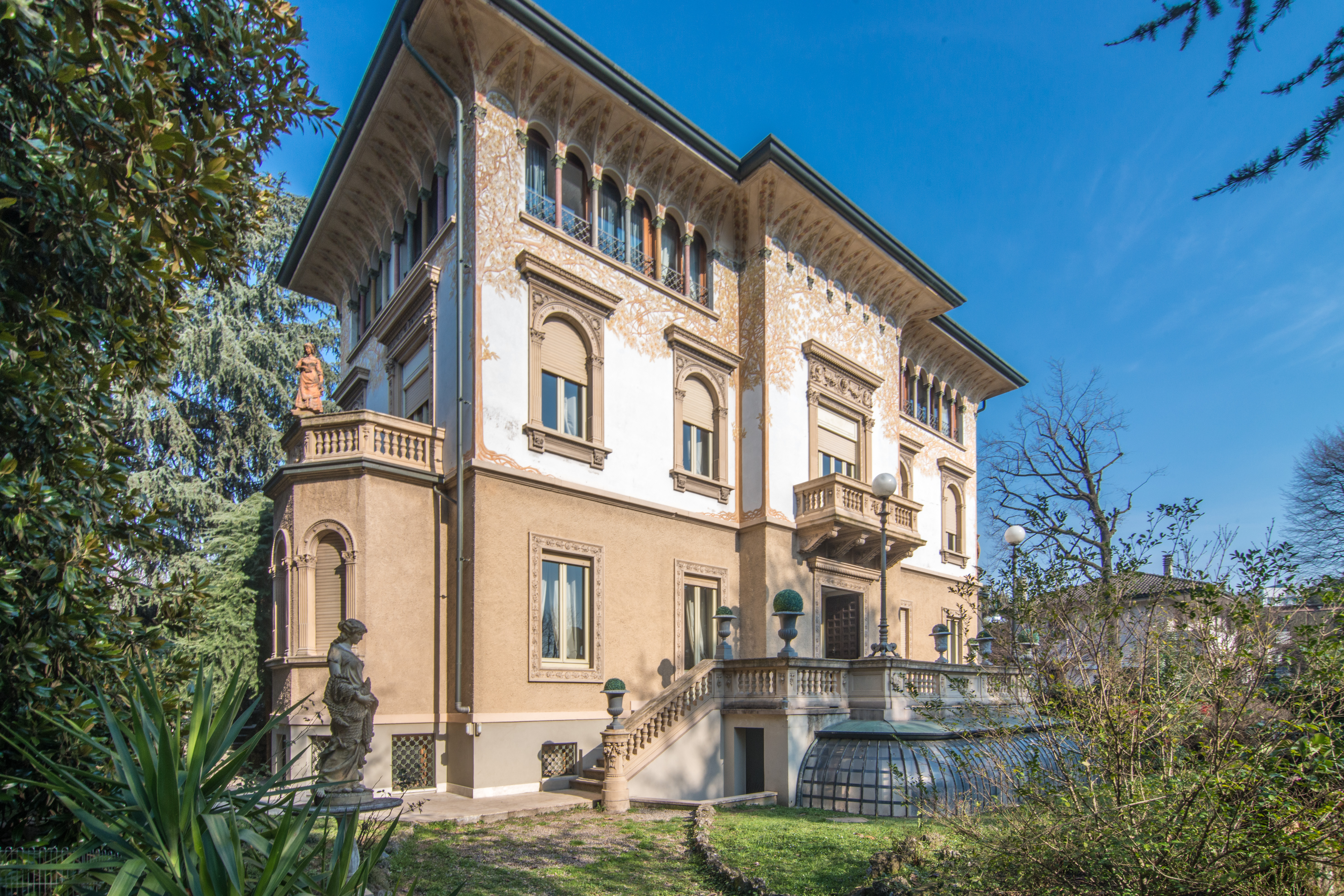
In a quiet and leafy area of Milan, on the way toward Brianza, the graceful Villa Bassetti offers an appealing blend of history and modernity that reflects Milanese style, while balancing peace with proximity to the city. Built in 1900, the villa’s architecture and design draws on neo-Gothic, baroque and art nouveau references, including an intricate floral decoration on the facade.
 Milan, Italy | Italy Sotheby’s International Realty
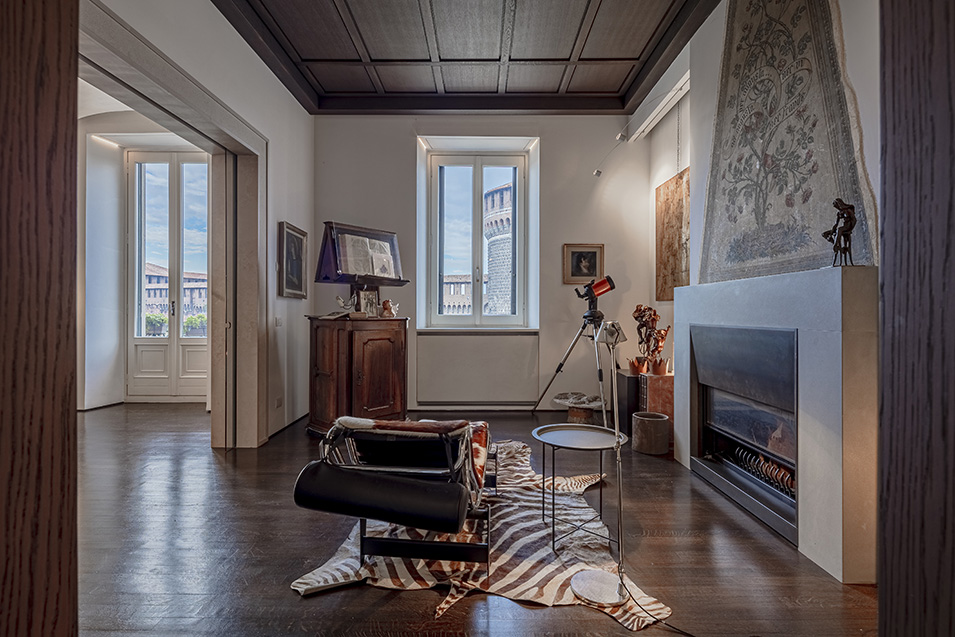
Closer to the city center, an impeccable nine-bedroom home on Piazza Castello—the 19th-century semicircular addition to the Sforza Castle complex—benefits from the ideal location between the Triennale di Milano and the thriving design-centric neighborhood of Brera. Once more, sumptuous historic detail and sleek modern amenities combine to provide the best of both worlds.
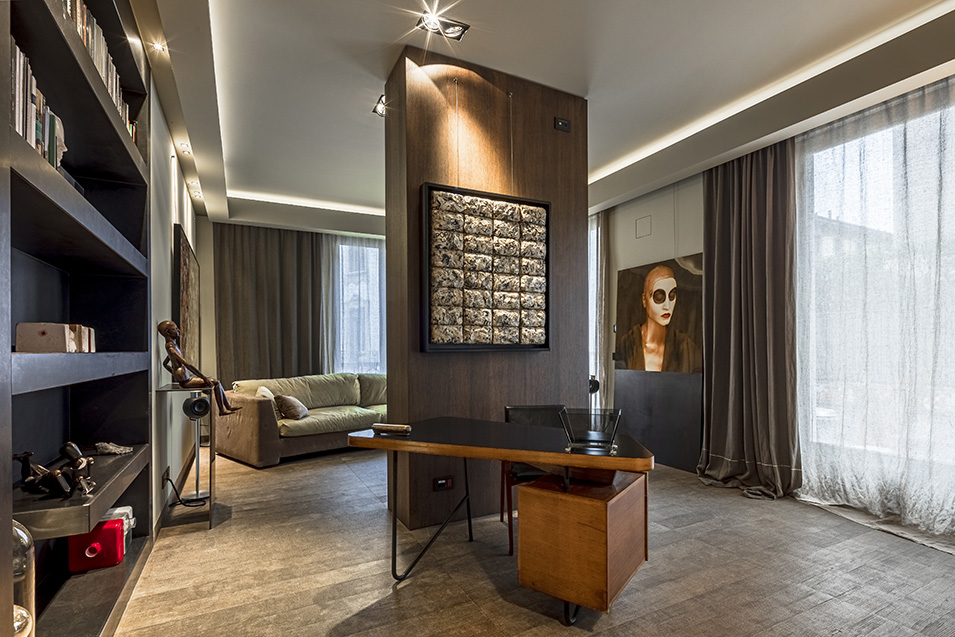
But Milan offers plenty more contemporary residences too, including a bright, open-plan townhouse, built in 2002, which features a spectacular two-story bookcase and verdant roof terrace. It is a perfect base for enjoying the city, an unbeatable place where—in Casati’s words—“creativity is celebrated.”
Inspired to explore Italy? Discover how Venice’s historic palaces are embracing modern living