The region’s dynamic food scene and quiet luxury matches up to its cultural treasures and lush landscapes, writes Kiki Deere
Arezzo, Italy | Italy Sotheby’s International Realty
With its rolling vineyard landscapes, cypress-lined avenues and ancient olive groves, Tuscany has long been seen as Italy’s bucolic idyll, a sun-soaked region with enduring appeal. Its art-filled cities are famous for harboring an unrivaled quantity of Renaissance riches, while its coastline blends glamorous beach resorts, pine forests and rugged coves.
The newly released movie “You, Me and Tuscany” once again brings the charm of the area to the fore. This romantic comedy is also a love letter to Tuscan food and wine, a reminder that the region has earned its reputation as one of the country’s premier culinary destinations. In Florence, family-run restaurants and elegant cocktail bars dot the historic core, where a wave of independent boutiques and ateliers are also shaking up Italy’s shopping experience.
“What makes Florence and Tuscany so compelling now is this balance of Renaissance heritage and a vibrant contemporary scene,” says Salvatore Ferragamo Jr., grandson of the legendary Italian shoemaker and global ambassador for the family’s hospitality arm, which includes the five-star Portrait Firenze hotel and the 1,100 acre wine estate Il Borro in Tuscany’s Arezzo province.
Lucca, Italy | Italy Sotheby’s International Realty
Tuscany “offers an intimate, authentic expression of the Italian lifestyle, where quality, beauty and a slower rhythm come together in a way that increasingly resonates with modern travelers,” says Ferragamo. This unique combination seems to be drawing global homebuyers to the region too.
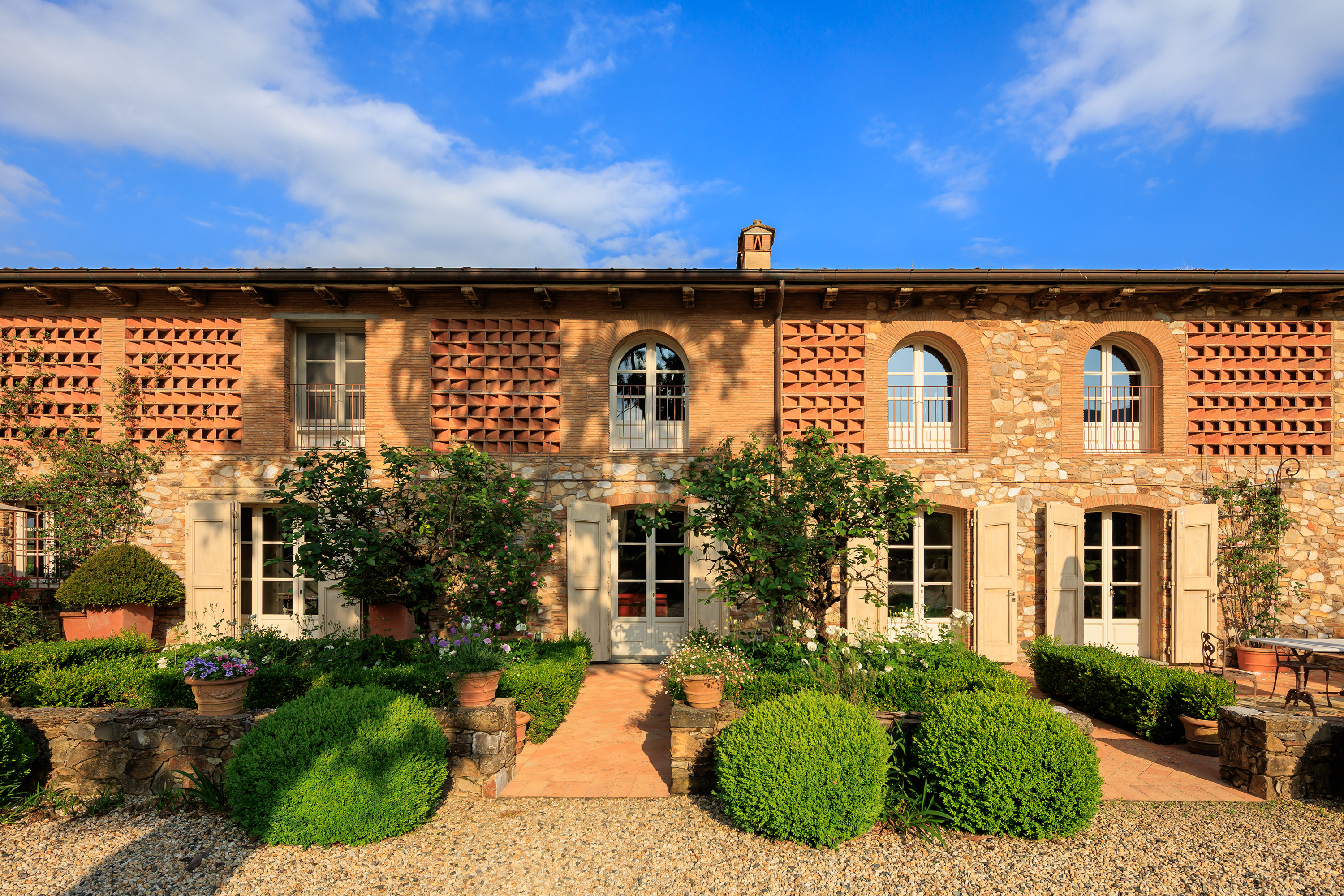
Beautifully restored countryside retreats such as this 16th-century villa near Lucca preserve all the charm of the Renaissance, with original features and a wine cellar housing ancient oak barrels. But there’s no compromise for homeowners used to luxury living—and hosting—particularly given the estate’s additional converted barn and farmhouse. The open-air pool is surrounded by vines, olive trees and acacia woods, with a wisteria-covered pergola for long, lazy lunches.
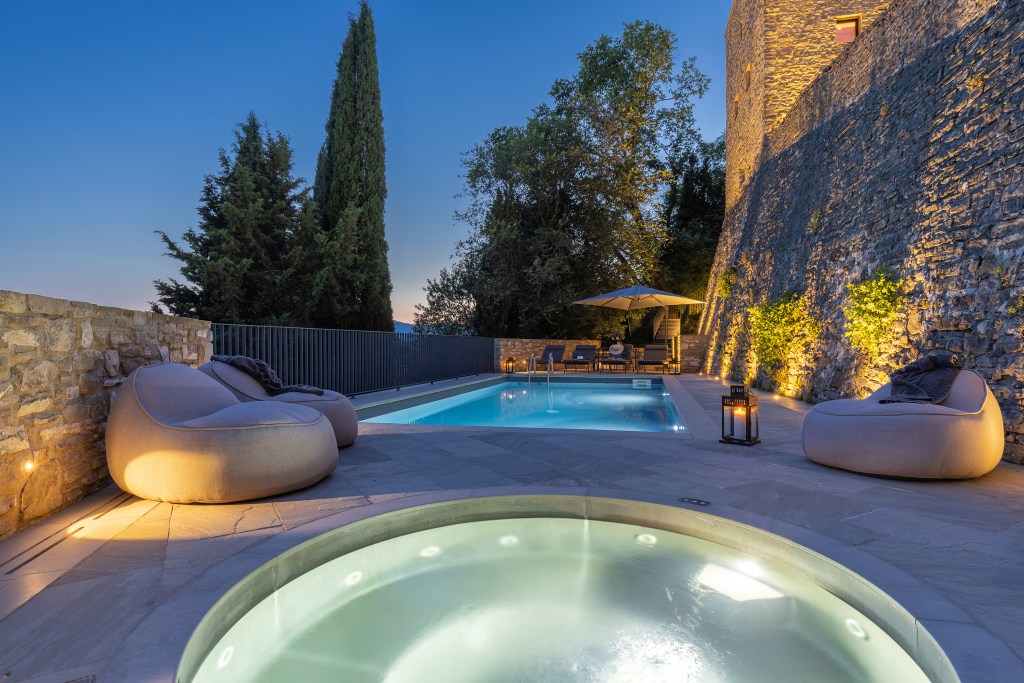
Arezzo, Italy | Italy Sotheby’s International Realty
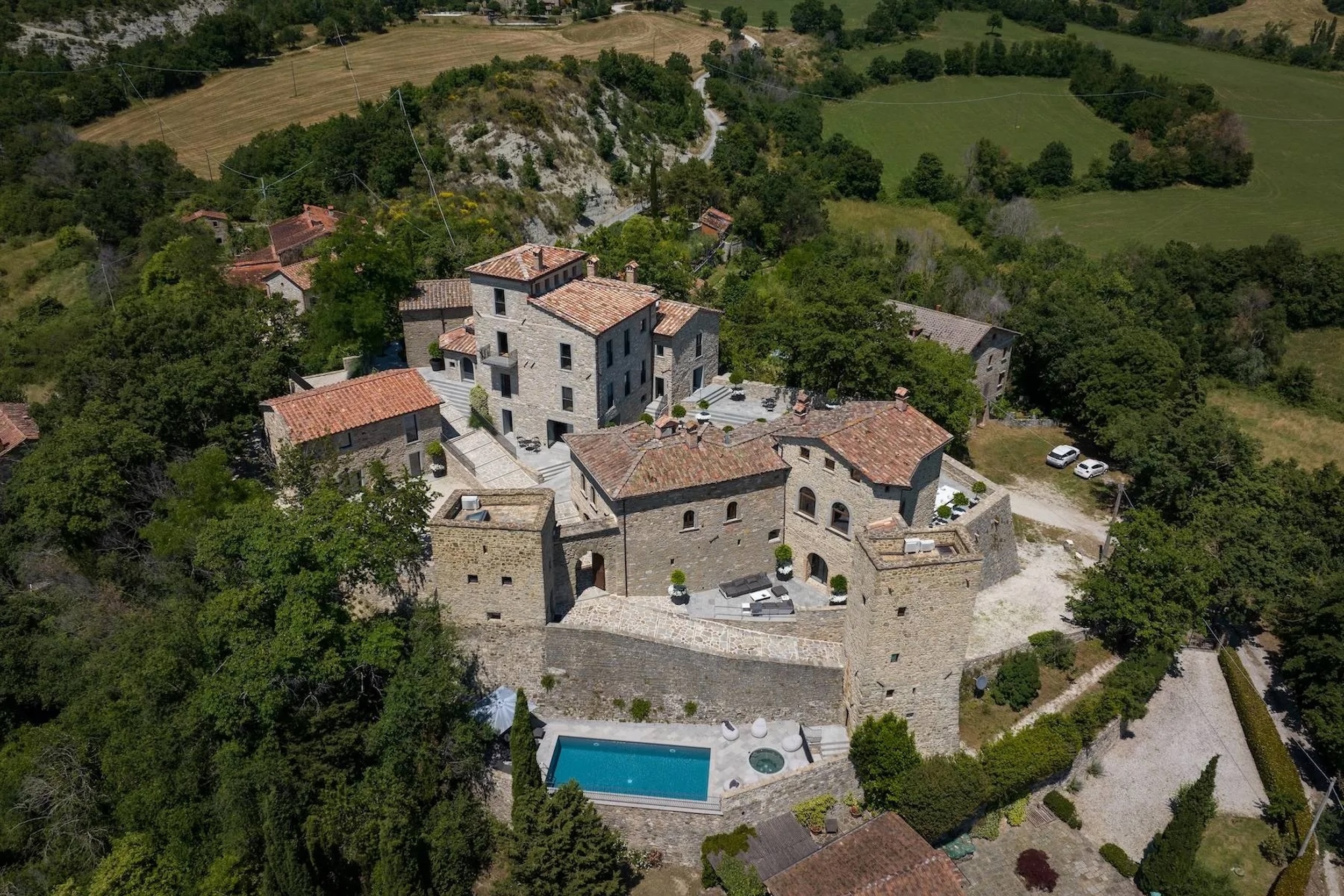
In the far east of Tuscany lies Valtiberina, a lesser-known corner of the region that spills into neighboring Umbria. While Renaissance greats Piero della Francesca and Michelangelo both hailed from this area, a restored medieval castle combines even older heritage with some refreshingly contemporary styling. As well as a pool below the ramparts, the property even has its own private chapel.
“Tuscany captivates with its unparalleled combination of natural beauty, cultural heritage and refined lifestyle,” explains Diletta Giorgolo, head of residential at Italy Sotheby’s International Realty. “The serene landscape changes with the seasons, while historic towns, Michelin-starred restaurants and world-renowned art ensure a rich cultural experience year-round.”
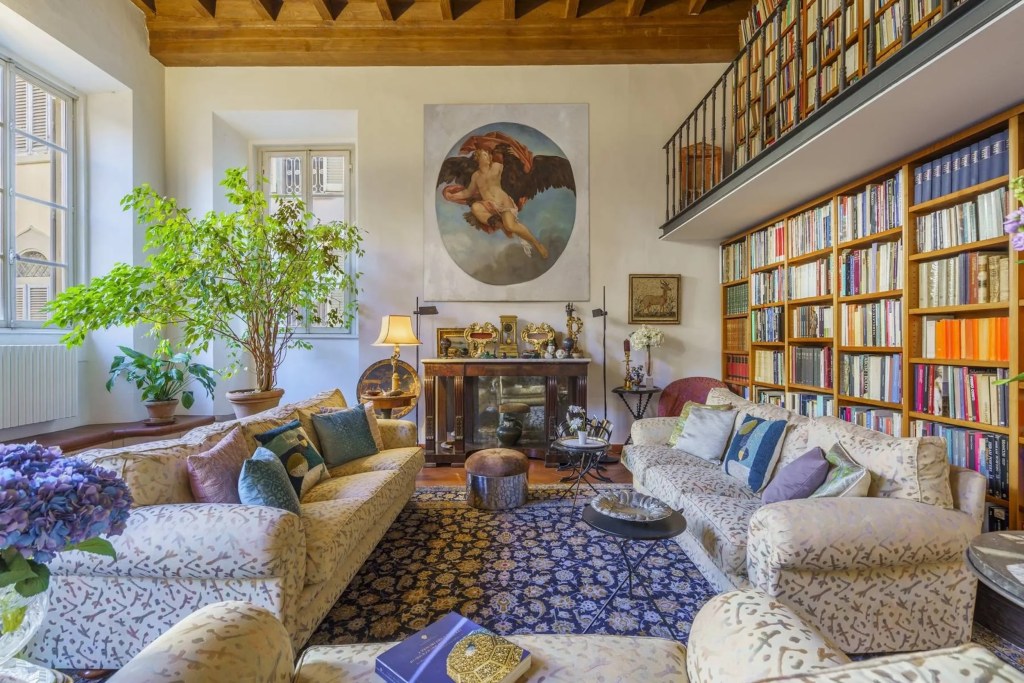
Florence, Italy | Italy Sotheby’s International Realty
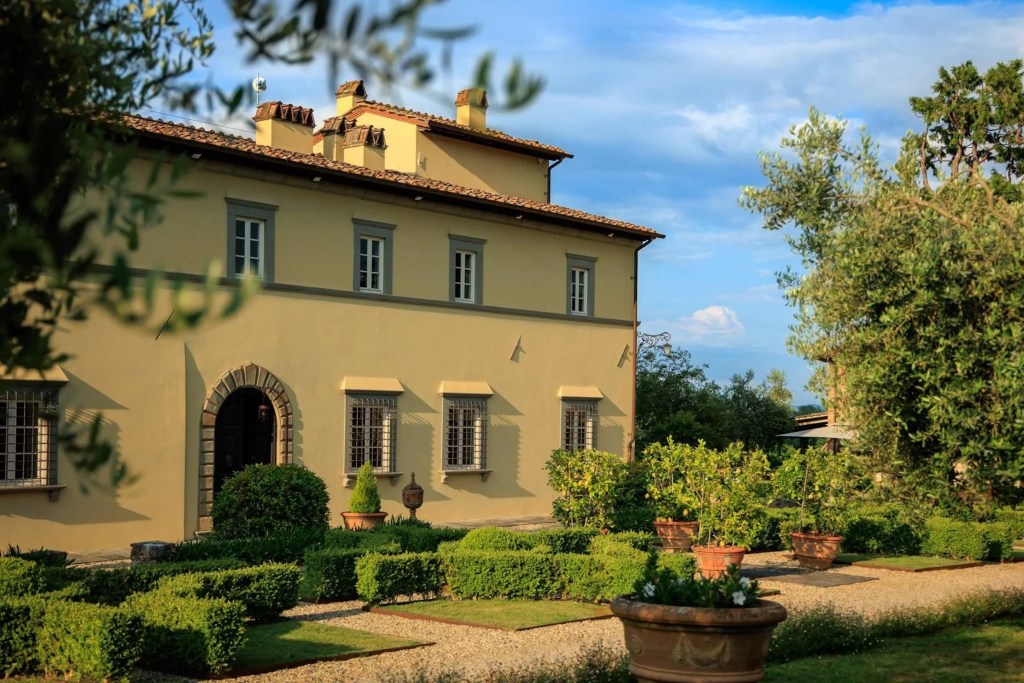
International buyers are also looking beyond the countryside to properties in the heart of Florence, such as this exclusive piano nobile (or “principal story”) of a 16th century palazzo with an 18th-century facade on Via della Condotta. Currently divided into apartments, with lofty coffered ceilings and bookshelves floor to ceiling, this light-flooded property and its internal courtyard is an ideal investment for potential rentals. It’s also ripe for conversion as a year-round residence in the heart of the city.
As Giorgolo says: “Tuscany is not just a place to visit—it is a place to live, offering a lifestyle that balances tranquility, sophistication and authenticity.”
Here’s how Venice’s historic palaces are also being reimagined for modern living