
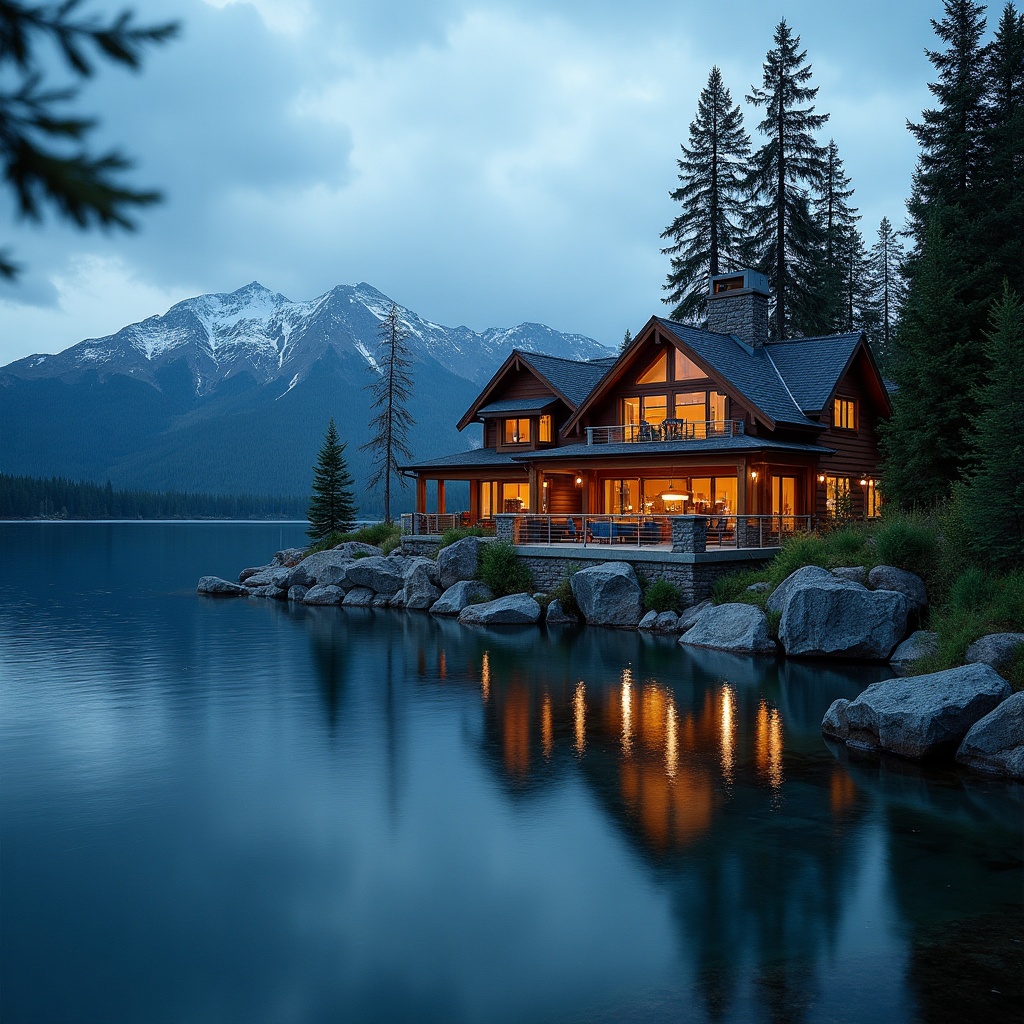
TL;DR:
Whitefish Lake waterfront estates command median list prices of $3M–$5M+, with north-shore frontage trading at approximately $25,000–$35,000 per linear foot.Montana DNRC dock permits require 4–8 months; factor this into your closing timeline and budget accordingly.
Off-season listings (October–February) typically close 5–8% below ask, representing meaningful negotiating leverage for strategic buyers.
Introduction
Waterfront estates in Whitefish represent one of the most constrained luxury segments in northwest Montana. Based on our analysis of Flathead County Assessor property records and publicly listed estate transactions from 2024–2026, we’ve compiled this guide to help high-net-worth buyers and investors navigate pricing, neighborhoods, permitting, and market timing in our community.
Whitefish Lake itself is modest in size – approximately 3,300 acres with a maximum depth of 150 feet – which creates scarcity that drives premium pricing. Unlike Flathead Lake’s 185-mile shoreline, Whitefish Lake’s limited waterfront means fewer than 200 estate-tier parcels exist on the market at any given time. This guide addresses the specific questions luxury buyers ask: What does frontage actually cost? Which neighborhoods offer the best value and privacy? What regulatory hurdles should you expect? And how does Whitefish Lake compare to Flathead Lake for investment purposes?
What Are Waterfront Estates in Whitefish?
A waterfront estate in Whitefish typically means a residential parcel with at least 75 feet of lake or river frontage, a minimum of one acre of land, and 3,000+ square feet of finished living area. Trophy-tier properties command 200+ feet of frontage and often exceed 5,000 square feet.
Here in Whitefish, three primary water bodies define the estate market: Whitefish Lake (the premium tier), the Whitefish River (fly-fishing access, larger acreage, lower per-foot premiums), and smaller ponds and tributary access points. Whitefish Lake dominates buyer interest because of its proximity to Whitefish Mountain Resort – just 8 miles away – and its glacially clear, cold water ideal for summer recreation.
Price ranges vary dramatically by location and frontage. Entry-level waterfront estates on Whitefish Lake start around $1.8M–$2.2M for smaller south-shore parcels with 50–75 feet of frontage. Mid-tier estates ($3M–$6M) typically offer 100–150 feet of frontage on the north shore or premium cove locations. Trophy properties ($6M+) feature 200+ feet of pristine north-shore frontage, deep lots allowing for guest cabins and private docks, and architectural distinction.
Key Takeaway: Estate-level waterfront in Whitefish starts at $1.8M for 50–75 ft of south-shore frontage; north-shore trophy tier begins at $6M+ for 200+ ft with premium amenities.
How Much Do Whitefish Waterfront Estates Cost in 2026?
Current market data from Flathead County Assessor records shows median list prices for estate-tier waterfront properties clustering between $3.2M and $4.8M. Median sold prices typically track 3–6% below list in the current market, reflecting the thin inventory and strong buyer demand.
Per-Linear-Foot Frontage Pricing (2026):
| Location | Price Per Linear Foot | Typical Lot Size | Median Estate Price |
|---|---|---|---|
| Whitefish Lake North Shore | $25,000–$35,000 | 150–250 ft | $4.2M–$6.5M |
| Whitefish Lake South Shore | $16,000–$22,000 | 75–150 ft | $2.1M–$3.8M |
| Whitefish Lake Cove (Downtown-Adjacent) | $18,000–$28,000 | 50–100 ft | $1.9M–$3.2M |
| Whitefish River | $8,000–$14,000 | 100–300 ft | $1.5M–$2.8M |
A 150-foot north-shore Whitefish Lake estate priced at $4.8M breaks down to roughly $32,000 per linear foot of frontage – compared to approximately $18,000 per linear foot on Flathead Lake’s east shore. The premium reflects ski proximity, smaller lake scarcity, and stronger short-term rental demand.
Appreciation Trends: Whitefish Lake waterfront has appreciated approximately 8–12% annually from 2022–2025, outpacing broader Flathead Valley residential appreciation. This acceleration reflects out-of-state buyer interest, limited supply, and the ski-resort lifestyle premium.
Cost Breakdown Example: A $4.5M estate typically allocates roughly 40% to land value ($1.8M) and 60% to structure and improvements ($2.7M). This ratio shifts on trophy properties, where pristine frontage and privacy command higher land premiums.
Whitefish Lake vs. River Frontage: Price Difference
Whitefish River estates offer compelling value for buyers prioritizing fly-fishing access and acreage over lake recreation. River frontage trades at $8,000–$14,000 per linear foot – roughly 50% of lake pricing – because river properties lack the summer boating appeal and typically sit on larger, less-developed parcels.
A 200-foot Whitefish River estate might list at $2.2M (roughly $11,000/ft), whereas an equivalent 200-foot Whitefish Lake parcel would command $5.2M–$6.8M. River buyers tend to be fly-fishing enthusiasts, land stewards, and those seeking privacy over water recreation.
Key Takeaway: Whitefish Lake north-shore frontage averages $32,000/ft; Whitefish River averages $11,000/ft – a 65% discount for river access and larger acreage.
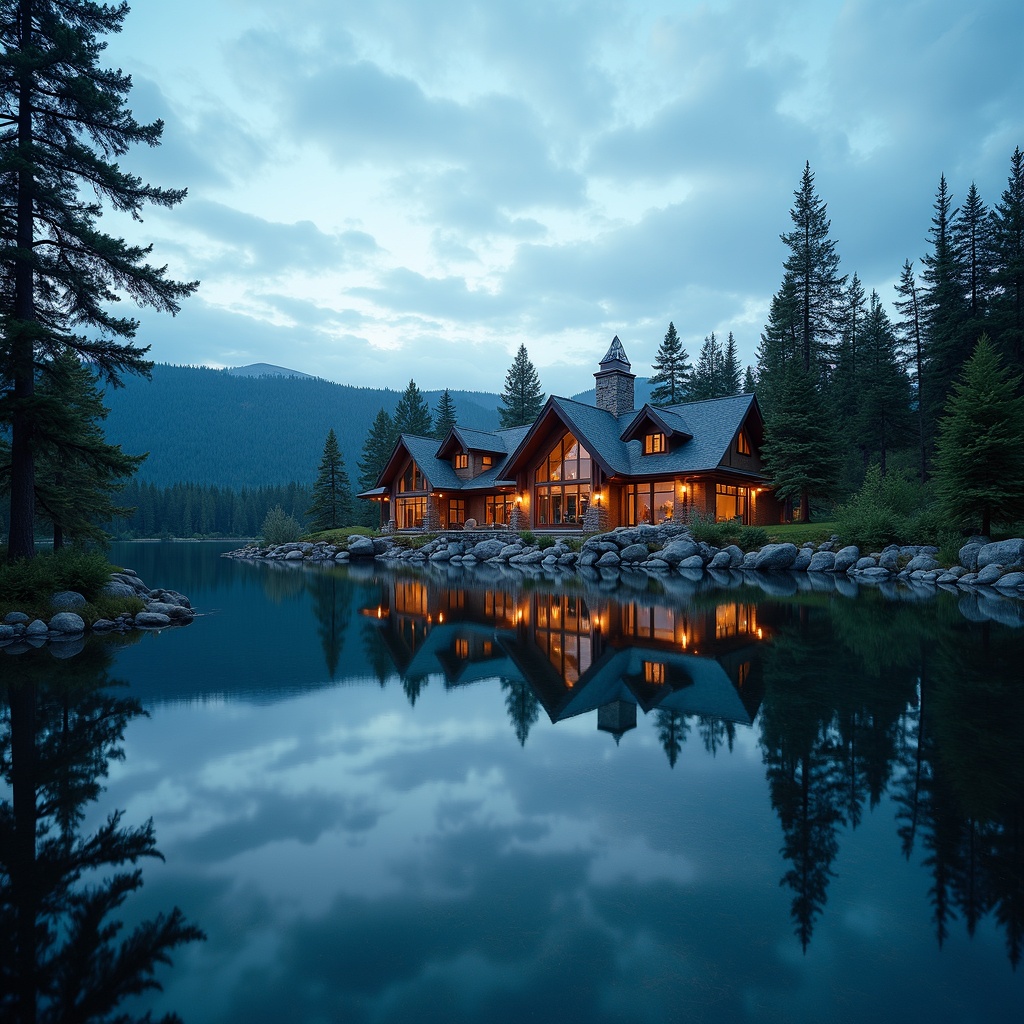
Which Neighborhoods Have Waterfront Estates?
Whitefish Lake’s shoreline divides into distinct micro-markets, each with different buyer profiles, privacy levels, and price premiums.
North Shore / Beaver Lake Road Corridor: This is the trophy tier. Properties here command the highest per-foot premiums ($28,000–$35,000+) because of deep, private lots, mature forest screening, and maximum distance from US-93 traffic. North-shore estates typically range from $3.8M to $8.5M. Frontage averages 120–200+ feet. Downside: 12–15 minute drive to downtown Whitefish; limited walkability to restaurants or services.
South Shore / US-93 Corridor: More accessible and slightly lower premiums ($16,000–$22,000/ft). South-shore estates range from $1.8M to $4.2M and appeal to buyers who prioritize convenience over maximum privacy. Frontage typically runs 60–120 feet. Trade-off: highway visibility and seasonal traffic noise, though modern estates often feature sound-dampening design.
Downtown-Adjacent Cove Properties: These smaller waterfront parcels (40–80 feet frontage) sit within walking distance of downtown restaurants, galleries, and shops. Prices range $1.9M–$3.2M. Buyers here sacrifice privacy and dock space for urban walkability. Frontage premiums run $18,000–$28,000/ft because of lifestyle convenience.
Whitefish River Estates: Scattered across the valley, these properties offer fly-fishing access, larger acreage (2–10+ acres), and rural privacy. Prices range $1.5M–$2.8M. Ideal for land stewards and fishing enthusiasts; less appealing to boating-focused buyers.
| Neighborhood | Frontage (ft) | Privacy Rating | Drive to Downtown | Typical Price Range |
|---|---|---|---|---|
| North Shore | 120–250 | Excellent | 12–15 min | $3.8M–$8.5M |
| South Shore | 60–120 | Good | 5–8 min | $1.8M–$4.2M |
| Downtown Cove | 40–80 | Fair | Walking | $1.9M–$3.2M |
| Whitefish River | 100–300 | Excellent | 8–20 min | $1.5M–$2.8M |
Key Takeaway: North Shore offers maximum privacy and premium pricing ($28K–$35K/ft); South Shore balances access and value ($16K–$22K/ft); Downtown Cove prioritizes walkability over privacy.
What Features Define a Trophy Whitefish Waterfront Estate?
Trophy-tier waterfront estates in Whitefish share consistent hallmarks that justify $6M+ price tags.
Frontage Benchmarks: 100 feet of waterfront is considered excellent; 150+ feet enters trophy territory; 200+ feet commands the highest premiums. Frontage length directly correlates with dock permitting flexibility, guest cabin placement, and privacy screening.
Dock and Boat Access: Most trophy estates include a private dock or boat house. Understand that Montana DNRC requires a 310 Permit for any work within the ordinary high-water mark, processed through the Flathead Conservation District. Typical dock permits take 4–8 months. Budget this timeline into your purchase and use planning. Heated docks (allowing year-round access despite ice-out typically occurring late April to mid-May) add $150K–$400K to construction costs but extend boating season.
Architectural Styles: North-shore estates favor Pacific Northwest lodge aesthetics – heavy timber frames, stone fireplaces, expansive windows framing lake views. Contemporary mountain homes with clean lines and modern materials are increasingly common. Log-frame hybrids blend rustic charm with modern systems.
Standard Amenities at Trophy Tier:
- Heated dock with boat lift
- Guest cabin or separate structure (subject to Flathead County’s 20-foot riparian setback)
- Home automation (lighting, climate, security)
- Heated driveway (critical for winter access)
- Wine cellar or temperature-controlled storage
- Sauna or hot tub
- Private beach or swim platform
Land-to-Improvement Ratio: On trophy estates, land typically represents 35–45% of total value; improvements account for 55–65%. This differs from non-waterfront luxury homes, where land is often 20–30% of value. Waterfront scarcity drives the land premium.
Key Takeaway: Trophy estates feature 200+ ft frontage, heated docks (4–8 month permit timeline), guest cabins, and land representing 35–45% of $6M+ total value.
How Do Whitefish Waterfront Estates Compare to Flathead Lake Properties?
Buyers evaluating Whitefish Lake often compare it to Flathead Lake waterfront homes, Montana’s largest natural freshwater lake. The choice hinges on lifestyle priorities and investment thesis.
Size and Inventory: Flathead Lake spans 185 miles of shoreline versus Whitefish Lake’s approximately 14 miles. Flathead Lake inventory is 3–4× larger, with properties ranging from $800K to $10M+. Whitefish Lake’s constrained supply means fewer choices but stronger price appreciation.
Ski Proximity Premium: Whitefish Lake estates sit 8–12 minutes from Whitefish Mountain Resort. Flathead Lake communities (Polson, Bigfork, Lakeside) are 45–60+ minutes away. This proximity drives a measurable premium for Whitefish Lake – roughly 15–25% higher per-foot pricing for comparable frontage quality.
Buyer Profile Differences: Whitefish Lake attracts primary-residence buyers seeking ski-in/ski-out lifestyle and summer lake recreation. Flathead Lake appeals to vacation-compound buyers, retirees, and those prioritizing fishing and boating over ski access. Whitefish Lake buyers tend to be younger (40–60) and more active; Flathead Lake buyers skew older and more leisure-focused.
Rental Income Potential: Whitefish Lake’s dual-season demand (ski winter, lake summer) supports stronger short-term rental yields. However, City of Whitefish requires a Short-Term Rental license for rentals under 30 consecutive days, and zoning restrictions apply. Most lakefront estates fall outside city limits under Flathead County jurisdiction, which has fewer STR restrictions. Whitefish Lake estates typically generate $150K–$250K annually in rental income; Flathead Lake properties average $80K–$150K due to longer drive times and lower winter demand.
Appreciation Trajectory: Whitefish Lake has appreciated 8–12% annually (2022–2025); Flathead Lake averages 6–8%. The ski-proximity premium and limited supply drive faster Whitefish Lake appreciation.
Key Takeaway: Whitefish Lake: 8–12% annual appreciation, 8–12 min to ski resort, $150K–$250K rental income. Flathead Lake: 6–8% appreciation, 45–60 min to resort, $80K–$150K rental income.
Buying a Waterfront Estate in Whitefish: Key Steps
Purchasing waterfront real estate in Whitefish involves regulatory, financial, and logistical considerations distinct from standard residential transactions. Here’s the process.
Step 1: Define Frontage vs. Acreage Priority
Before engaging an agent, clarify whether you prioritize linear feet of water access or total land acreage. North-shore buyers typically want 150+ feet of frontage on 1–3 acres. River buyers often seek 2–10+ acres with 100–200 feet of frontage. Downtown-cove buyers accept 40–60 feet for walkability. This decision narrows your search dramatically.
Step 2: Understand Riparian Rights and Dock Permitting
Montana operates under the prior appropriation doctrine for water rights. Any dock or shoreline work requires a 310 Permit from the Flathead Conservation District, processed through Montana DNRC. Budget 4–8 months for permit approval. Flathead County’s Shoreline Protection Regulations impose a 20-foot riparian buffer setback from the ordinary high-water mark – this restricts where you can place structures, decks, and impervious surfaces.
Step 3: Engage a Waterfront-Specialist Agent
Not all luxury agents understand lakeshore contracts, riparian rights, or dock permitting. Work with an agent experienced in waterfront transactions. Glacier Sotheby’s International Realty specializes in Whitefish waterfront estates and can guide you through permitting timelines, setback compliance, and neighborhood-specific considerations. A generalist agent may miss critical regulatory details that affect usability and resale value.
Step 4: Budget for Well and Septic Inspection
Lakefront lots often rely on private wells and septic systems. Montana DEQ requires septic systems to maintain a 100-foot setback from any surface water body. On narrower parcels, septic placement becomes constrained. Hire a specialized inspector to verify system feasibility before closing. Replacement or relocation can cost $25K–$60K.
Step 5: Timing – Inventory and Negotiation
Whitefish Lake waterfront inventory peaks May–August. Off-season listings (October–February) typically close 5–8% below ask – on a $3.5M listing, that’s roughly $175K–$280K in savings versus summer bidding wars. If you’re not time-constrained, winter offers negotiating leverage.
Step 6: Financing and Down Payment
Jumbo loans above $2M are constrained in rural Montana. Regional portfolio lenders like Glacier Bancorp play a significant role. Expect to put down 20–25% at this tier. Appraisal gaps are common due to thin comparables; budget for appraisal contingency removal or cash reserves to cover shortfalls.
Key Takeaway: Waterfront purchase timeline: 4–8 months for dock permits, 20–25% down payment, specialist agent essential, off-season closes 5–8% below ask.
Recommended Local Waterfront Real Estate Expertise
Navigating Whitefish waterfront estates requires more than standard real estate knowledge. You need specialists familiar with Montana riparian law, DNRC permitting, and the specific neighborhoods around Whitefish Lake.
Glacier Sotheby’s International Realty brings deep local expertise to waterfront transactions in Whitefish and the surrounding Flathead Valley. Our team understands:
- Permitting timelines: We coordinate with the Flathead Conservation District and manage dock permit expectations from day one.
- Neighborhood micro-markets: North-shore privacy premiums, south-shore accessibility trade-offs, and cove walkability factors are part of our daily analysis.
- Regulatory compliance: Riparian setbacks, septic placement constraints, and water-right transfers are handled with precision.
- Market timing: Our agents track seasonal inventory patterns and can advise on off-season negotiating leverage.
- Financing coordination: We work with regional lenders familiar with jumbo waterfront transactions and appraisal challenges.
When you’re evaluating a $4M+ waterfront estate, the difference between a generalist agent and a waterfront specialist often translates to $100K–$300K in negotiating savings or avoided regulatory delays. Learn more about Glacier Sotheby’s International Realty’s local Whitefish expertise here.
FAQ: Waterfront Estates in Whitefish
What is the average price of a waterfront estate on Whitefish Lake?
Direct Answer: Median list prices for estate-tier Whitefish Lake waterfront range from $3.2M to $4.8M, with north-shore trophy properties exceeding $6M.
Entry-level estates (50–75 ft south-shore frontage) start around $1.8M–$2.2M. Mid-tier estates (100–150 ft north-shore) cluster at $3.8M–$5.2M. Trophy properties (200+ ft with premium amenities) command $6M–$8.5M+. Prices reflect frontage length, privacy, lot depth, and proximity to downtown Whitefish.
How does Whitefish Lake waterfront compare to Flathead Lake for buyers?
Direct Answer: Whitefish Lake offers ski-proximity premium (8–12 min to resort), faster appreciation (8–12% annually), and stronger rental income ($150K–$250K/year); Flathead Lake offers larger inventory, lower entry prices, and longer-term stability.
Choose Whitefish Lake if you prioritize ski access and dual-season rental income. Choose Flathead Lake if you want more inventory options, lower per-foot pricing, and a quieter retirement focus. Whitefish Lake appreciates faster but carries higher entry costs.
Can you build a private dock on a Whitefish Lake estate?
Direct Answer: Yes, but you must obtain a Montana DNRC 310 Permit through the Flathead Conservation District, a process typically requiring 4–8 months.
You’ll also need to comply with Flathead County’s 20-foot riparian setback from the ordinary high-water mark. Most trophy estates include existing docks or boat houses, eliminating permit delays. If you’re purchasing a vacant parcel, factor dock permitting into your timeline and budget $150K–$400K for heated dock construction.
Are Whitefish waterfront estates good short-term rental investments?
Direct Answer: Yes, with caveats. Whitefish Lake’s dual-season demand (ski winter, lake summer) supports $150K–$250K annual rental income, but you must verify zoning jurisdiction and licensing requirements.
Most lakefront estates fall outside Whitefish city limits under Flathead County jurisdiction, which has fewer STR restrictions than the city. Verify your parcel’s jurisdiction before purchase. Rental income is strong, but factor in property management (8–12% of gross), insurance premiums (2–4× standard rates due to wildfire risk), and seasonal vacancy (April–May, November–December).
What is the minimum lot frontage for an estate-level waterfront property in Whitefish?
Direct Answer: Estate-level waterfront typically requires a minimum of 75 feet of frontage, though trophy tier begins at 150+ feet.
Properties with 50–75 feet are considered smaller estates or luxury waterfront homes; 75–150 feet is mid-tier; 200+ feet is trophy. Frontage length directly affects dock permitting flexibility, privacy screening, and resale appeal. Narrower parcels (40–60 ft) work for downtown-cove locations but command lower per-foot premiums.
What are the property tax rates on high-value Whitefish waterfront homes?
Direct Answer: Montana’s residential class rate is 1.35% of appraised value, applied against combined state, county, city, and school mill levies, typically producing effective rates of 0.5–0.8% annually.
On a $4.5M estate, expect annual property taxes of approximately $18,000–$21,000. Flathead County mill levies vary by location; request a specific parcel tax history from the Flathead County Treasurer. Waterfront properties may carry higher assessments due to premium land value.
When is the best time of year to buy a waterfront estate in Whitefish?
Direct Answer: October–February offers the strongest negotiating leverage; listings typically close 5–8% below ask compared to summer bidding wars.
On a $3.5M listing, off-season timing could save $175K–$280K. Inventory peaks May–August, offering more choices but less negotiating room. If you’re flexible on timing, winter purchases reward patience. If you need to close by summer, expect to pay premium pricing and face competition.
Ready to Get Started?
For personalized guidance, visit Glacier Sotheby’s International Realty to learn how we can help.
Conclusion
Waterfront estates in Whitefish represent a constrained, appreciating asset class driven by ski proximity, limited supply, and strong dual-season demand. Median prices of $3.2M–$4.8M reflect north-shore frontage premiums of $25,000–$35,000 per linear foot – roughly 40% higher than Flathead Lake comparables.
Success in this market requires understanding regulatory timelines (4–8 months for dock permits), neighborhood micro-markets (north-shore privacy vs. south-shore accessibility), and seasonal timing (off-season closes 5–8% below ask). Engage a waterfront-specialist agent early; the difference between a generalist and an expert often translates to six-figure savings.
If you’re ready to explore Whitefish waterfront estates, Glacier Sotheby’s International Realty can guide you through the permitting, neighborhood, and financing complexities specific to our community. Contact our Whitefish team to discuss your waterfront priorities and timeline.