
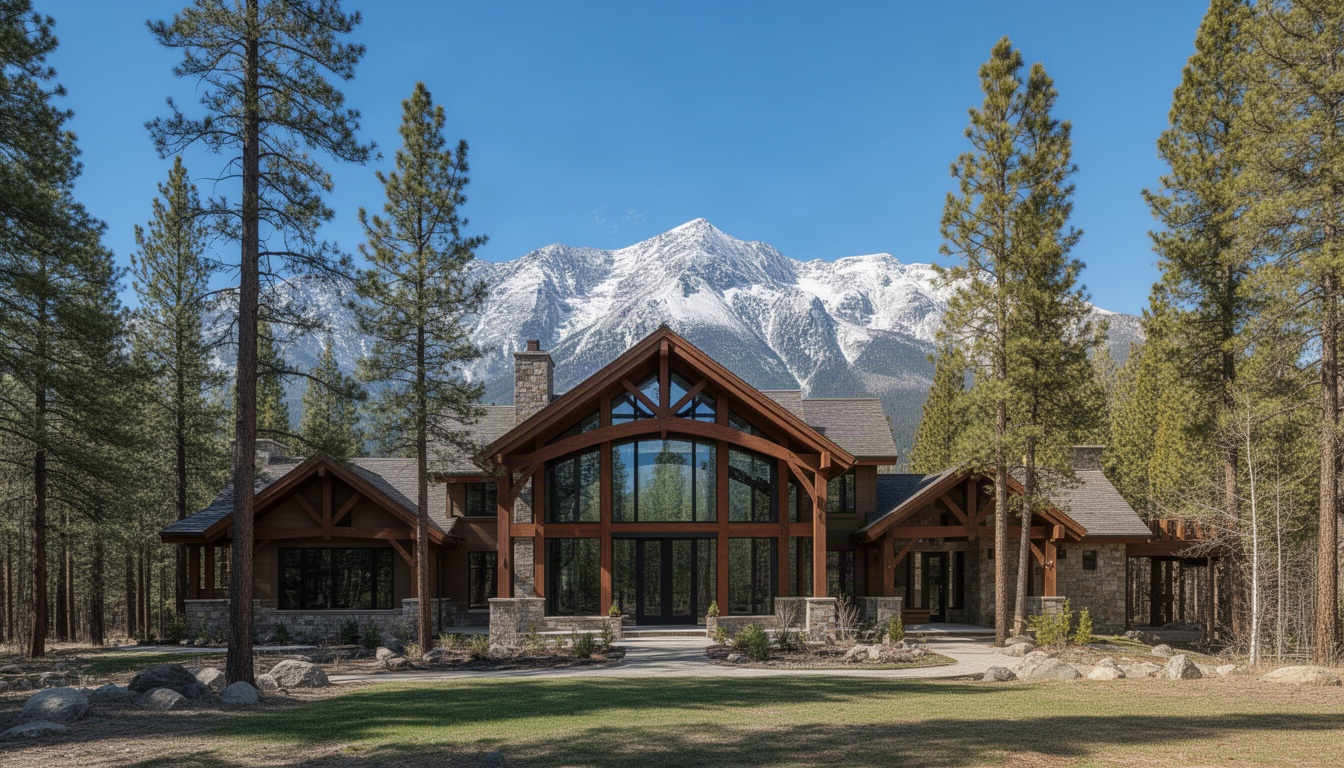
TL;DR: Eureka, Montana is a remote town of roughly 1,000 residents sitting just 7 miles from the Canadian border in the Tobacco Valley. Housing is significantly more affordable than nearby Whitefish, outdoor recreation is exceptional, but employment is limited and healthcare requires a 90-minute drive. It’s ideal for remote workers, retirees, and outdoor enthusiasts willing to trade convenience for solitude and natural beauty.
What Is Eureka, Montana Really Like?
Eureka, Montana – small-town living near the Canadian border – is a place where the pace of life moves at the speed of the Tobacco River. The town itself is home to approximately 1,000 residents, with Lincoln County totaling around 19,000 people spread across a vast, forested landscape. Situated just 7 miles south of the Roosville Port of Entry into British Columbia, Eureka occupies a unique geographic position: remote enough to feel genuinely isolated, yet close enough to Canada that a day trip to Fernie for skiing or Cranbrook for shopping is entirely feasible.
The Tobacco Valley setting defines the character here. Named for the river that winds through it, this broad valley is ringed by the Kootenai National Forest and sits roughly 60 miles north of Whitefish. Lake Koocanusa – a 90-mile reservoir created by Libby Dam’s history on the USACE site – lies about 30 miles west and anchors much of the region’s recreational identity. The landscape is unambiguously beautiful: dense conifer forests, mountain vistas, and a sense of genuine remoteness that appeals powerfully to people seeking escape from urban density.
The honest trade-off is this: Eureka offers stunning natural surroundings and a tight-knit community, but it demands acceptance of isolation. There is no anonymity here. Services are limited. Winter is long and snow is heavy. If you’re considering relocating to Eureka, you’re not choosing it for convenience – you’re choosing it for what it offers instead.
Key Takeaway: Eureka is a genuine small town in a spectacular setting, not a quaint tourist destination. It attracts people who prioritize outdoor access and community connection over shopping, dining, and entertainment options.
How Much Does It Cost to Live in Eureka, Montana?
Housing affordability is one of Eureka’s most compelling advantages. Median home prices in Lincoln County run approximately $250,000 to $320,000 – a stark contrast to Montana’s statewide median of roughly $400,000 to $450,000. This means a 3-bedroom home on 2 acres outside Eureka might list for $320,000, while an equivalent property in Whitefish commands $650,000 or more. For buyers seeking rural Montana real estate without the resort-town premium, the difference is material.
Rental inventory is extremely limited, but typical 2-bedroom rentals in Eureka range from $700 to $950 per month when they become available. Most long-term residents own rather than rent, which reflects both the affordability of purchase and the scarcity of rental stock.
Property taxes in Montana use a mill levy system. A home assessed at $280,000 market value in Lincoln County typically generates annual property taxes of $1,500 to $2,000 – considerably lower than many states. Montana has no state sales tax, which the Montana Department of Revenue confirms, providing a financial advantage on large purchases and is particularly meaningful for residents near the Canadian border, where British Columbia’s combined provincial and federal sales tax reaches 12 percent.
Utilities present a different picture. NorthWestern Energy serves the area with natural gas and electricity. However, many rural properties outside town rely on propane for heating. During the harsh five-month heating season (November through March), propane-heated homes average $200 to $350 per month in heating costs alone. A propane-heated rural home might spend $900 to $1,400 on heating over a full winter – a significant annual expense that urban residents often underestimate.
Groceries and general retail require planning. The nearest Costco is in Kalispell, approximately 75 miles south – a realistic monthly trip that takes 75 to 80 minutes each way. Most residents budget this as a regular supply run. Local grocery options exist but are limited and typically more expensive than chain stores. Internet and phone service have improved but remain patchy outside town limits, though Starlink satellite service is now available throughout the county.
Outdoor Recreation and Lifestyle in the Tobacco Valley
This is where Eureka’s appeal crystallizes. The outdoor recreation here is not a marketing slogan – it is the primary reason most people consider moving to this area.
Lake Koocanusa offers boating, fishing, and camping throughout the summer and early fall. The lake supports populations of kokanee salmon, bull trout, and westslope cutthroat trout. Public boat launches and campgrounds provide access, and the lake’s remote character means far fewer crowds than you’d encounter at more accessible Montana reservoirs.
The Ten Lakes Scenic Area in the Kootenai National Forest – approximately 12 miles east of Eureka – encompasses 15,000 acres of roadless backcountry. Seasonal road access via Forest Road 114 typically opens in June and closes by October. The area offers hiking, backcountry camping, and fishing in alpine lakes. This is serious wilderness, not a day-hike destination.
Skiing is accessible but requires a drive. Turner Mountain Ski Area sits roughly 50 to 55 miles south near Libby – about an hour’s drive. Whitefish Mountain Resort, a larger destination resort with more terrain and amenities, is approximately 60 miles south. For cross-country skiing and snowmobiling, the Kootenai National Forest provides extensive trail networks that are heavily used by locals during winter months.
Hunting defines the culture here. Lincoln County falls within Montana Fish, Wildlife & Parks hunting districts 100–103, which offer elk, white-tailed deer, mule deer, black bear, and wild turkey seasons. The Kootenai National Forest provides vast public land access. Hunting season – particularly the fall elk rut in September and October – brings a seasonal surge of activity and community identity.
Summer brings a farmers market and local events, though the calendar is modest compared to larger towns. The rhythm of life here follows the seasons: spring runoff, summer recreation, fall hunting, and winter isolation.
What Are the Challenges of Living in Eureka, Montana?
Honesty requires acknowledging the real constraints.
Employment is the first and most significant challenge. Lincoln County’s unemployment rate, tracked by the Bureau of Labor Statistics, hovered near 5.5 to 6.0 percent in early 2026 – well above Montana’s statewide rate of roughly 3.5 percent. The county’s economy historically depended on timber and wood products. Major mill closures over the past two decades have left structural unemployment. Today, the largest employers are county government, school districts, Tobacco Valley Medical Center, and the retail and accommodation sectors. Local job opportunities are limited, and wages typically lag statewide averages.
This reality has made remote work the de facto solution for many residents. Starlink satellite internet has materially improved remote-work viability in rural areas, though fiber penetration in unincorporated Lincoln County remains limited. In-town Eureka has CenturyLink DSL, but rural properties often depend on satellite. For someone with a stable remote income, this is workable. For someone seeking local employment, Eureka presents a genuine barrier.
Healthcare access is a constraint that deserves serious consideration. Tobacco Valley Medical Center in Eureka provides primary care and urgent care but is not a hospital. The nearest full-service hospital is Logan Health in Kalispell, approximately 85 to 90 miles south – a 90-minute drive under normal conditions, potentially much longer in winter weather. For routine care, this is manageable. For emergencies or serious illness, the distance is a real liability. North Valley Hospital in Whitefish (60 miles away) provides intermediate care but not full tertiary services.
Winters are harsh. Average annual snowfall in the Eureka area is 50 to 70 inches, with December through February lows averaging 13 to 18 degrees Fahrenheit. Highway 93, the main north-south corridor, can become treacherous. Road maintenance is generally good, but winter driving is a skill residents must develop. Seasonal depression is real in a place where daylight in December is limited and snow persists for months.
Small-town social dynamics cut both ways. The community is tight-knit and genuinely welcoming to newcomers who respect local culture. However, there is no anonymity. Everyone knows everyone. For people accustomed to urban privacy, this can feel claustrophobic. For people seeking community, it is exactly the point.
Retail and service options are limited. There is no movie theater, no chain restaurants beyond a few fast-food options, and no shopping beyond basic necessities. If you need specialized services – dental work, vehicle repair, home contractors – you may wait weeks or travel to Kalispell or Whitefish.
Eureka Montana Real Estate: What Buyers Should Know
Real estate in Eureka and Lincoln County reflects the rural market dynamics of northwest Montana. Properties available here fall into several categories: single-family homes in town, cabins, ranchettes (typically 5 to 40 acres), and vacant land. In-town lots are rare and command a premium relative to rural acreage. Most properties are rural, reflecting the area’s character and the preference of buyers seeking land and privacy.
Acreage is the norm. A typical listing outside town might be 2 to 10 acres. Properties with water access – whether to the Tobacco River, Lake Koocanusa, or smaller creeks – command significant premiums. Lakefront property on Koocanusa can reach $500,000 to $750,000 or more, depending on size and improvements.
Market pace is slower than in resort towns. Days on market for typical properties range from 60 to 120 days. Inventory levels in Lincoln County are modest, which means less selection but also less competition among buyers. The market is not fast-moving, but it is steady.
Canadian buyer demand has historically influenced pricing in border counties. Buyers from British Columbia seeking recreational property or investment real estate have been active in Lincoln County, particularly in lakefront and scenic properties. This has created upward price pressure, though the effect is less pronounced in Eureka than in more accessible areas like Whitefish.
What does your budget actually buy here? At $300,000, you might find a 3-bedroom, 2-bath home on 1 to 2 acres outside town, or a smaller in-town property with a garage and yard. At $500,000, you could purchase a newer or larger home on 5 to 10 acres with outbuildings, or a cabin on or near water. At $750,000 and above, you’re looking at premium properties: larger homes on significant acreage, waterfront land, or properties with exceptional views or improvements.
If you’re considering purchasing in Eureka, working with a local real estate professional who understands the market is essential. Glacier Sotheby’s International Realty specializes in luxury properties throughout northwest Montana, including the Eureka and Tobacco Valley area. Our team understands the unique dynamics of border-county real estate, Canadian buyer patterns, and the specific considerations that apply to rural properties in this region. Whether you’re relocating from out of state or seeking a second home near the Canadian border, having local expertise makes a material difference in navigating the market effectively.
How Does Eureka Compare to Other Small Montana Towns?
Eureka is one option among several small Montana communities, each with distinct character and trade-offs.
Eureka vs. Whitefish: Whitefish, 60 miles southeast, is a resort town with a median home price around $650,000 to $750,000. It offers restaurants, galleries, shopping, and a vibrant summer and winter tourism economy. Whitefish has more jobs, better healthcare access, and significantly more amenities. Eureka is quieter, more affordable, and more remote. Choose Whitefish if you want small-town charm with urban conveniences. Choose Eureka if you want genuine remoteness and lower costs.
Eureka vs. Libby: Libby, approximately 35 miles south, is a similar-sized town (population ~2,600) with a comparable economic history tied to timber. Libby has slightly more retail and service options and is closer to Turner Mountain Ski Area. Housing costs are similar to Eureka. Libby feels slightly more developed but lacks Eureka’s proximity to the Canadian border and the lifestyle advantages that proximity offers.
Eureka vs. Missoula: Missoula, roughly 120 miles south, is Montana’s second-largest city with a population around 75,000. It offers a full urban amenity set: restaurants, cultural events, healthcare, shopping, and a robust job market. Median home prices in Missoula are $450,000 to $550,000 – higher than Eureka but lower than Whitefish. Missoula is ideal for people who want small-city character with genuine urban infrastructure. Eureka is for people willing to sacrifice those amenities for isolation and natural beauty.
Who Eureka is best suited for: Remote workers with stable income, retirees with pensions or investments, hunters and outdoor enthusiasts, and people seeking genuine community connection. If you require frequent access to specialized healthcare, diverse employment options, or urban amenities, Eureka will frustrate you. If you prioritize outdoor access, affordability, and a tight-knit community, Eureka is worth serious consideration.
Frequently Asked Questions About Living in Eureka, Montana
How close is Eureka, Montana to the Canadian border?
Direct Answer: Eureka sits approximately 7 miles south of the Roosville Port of Entry on US Highway 93, making it the northernmost incorporated town on the highway in Montana.
The Roosville crossing operates 24 hours a day, 7 days a week. This proximity creates a unique lifestyle dynamic: Fernie, British Columbia (a ski resort town) is roughly 45 minutes north, and Cranbrook, BC (a larger regional center with shopping and services) is approximately 90 minutes away. Many Eureka residents hold NEXUS cards for expedited border crossing, which streamlines frequent trips. The border proximity also means that some residents shop in Canada for certain goods, while Canadian residents cross south for Montana’s lack of sales tax on large purchases.
What is the average home price in Eureka, Montana?
Direct Answer: Median home prices in Lincoln County range within or slightly lower than Montana’s statewide median of $400,000 to $450,000.
A 3-bedroom home on 2 acres outside Eureka typically lists in the $300,000 to $400,000 range. Properties with water access or premium views command higher prices. Vacant land runs $15,000 to $50,000 per acre depending on location and access. The market moves slowly – expect 60 to 120 days on market for typical properties. Working with a local real estate professional familiar with Lincoln County is essential for understanding what your budget actually purchases.
Is Eureka, Montana a good place to retire?
Direct Answer: Eureka can be an excellent retirement destination for people with stable income (pensions, investments, Social Security) who prioritize outdoor recreation and community over urban amenities and healthcare proximity.
The low cost of living stretches retirement income further than in most Montana communities. Property taxes are reasonable, and there is no state sales tax. However, retirees should carefully consider healthcare access. The 90-minute drive to the nearest full-service hospital is a genuine consideration for people with chronic health conditions or those concerned about emergency response times. Retirees who are active, healthy, and comfortable with isolation often thrive here. Those requiring frequent medical care should weigh this carefully.
What are the schools like in Eureka, Montana?
Direct Answer: Lincoln County High School in Eureka serves approximately 300 to 350 students in grades 9–12 and is the primary secondary school for the Tobacco Valley.
The school has a graduation rate of approximately 83 to 86 percent, which is respectable for a rural Montana school. Class sizes are small, and the school is deeply embedded in community life. Elementary and middle school students attend schools in the same district. For anyone considering relocation with school-age children, the small class sizes and community integration are advantages. However, the limited course offerings and extracurricular options compared to larger schools are real constraints.
Is Eureka, Montana safe to live in?
Direct Answer: Eureka has a low crime rate typical of small rural Montana towns, though like any community, it has occasional property crime and the social issues associated with rural poverty and limited economic opportunity.
Violent crime is rare. Property crime (theft, burglary) occurs but at rates lower than state and national averages. The tight-knit community means that unusual activity is quickly noticed. However, the opioid crisis has affected rural Montana, including Lincoln County, and substance abuse-related crime does occur. Overall, Eureka is a safe place to live, particularly compared to urban areas, but it is not crime-free.
Does Eureka, Montana have reliable internet for remote work?
Direct Answer: In-town Eureka has CenturyLink DSL service, which is adequate for most remote work. Rural properties outside town typically rely on Starlink satellite internet, which has improved dramatically and is now viable for remote work.
Starlink residential service in Lincoln County costs approximately $120 per month with download speeds of 50 to 200 Mbps, depending on congestion and weather. For someone working from home, this is workable, though satellite internet has higher latency than fiber and can experience weather-related interruptions. If you’re considering relocating to Eureka for remote work, verify your specific address’s internet options before committing. The FCC broadband map for Lincoln County shows significant gaps in fixed broadband availability, making satellite the primary option for many rural residents.
How does Eureka compare to Whitefish for small-town living?
Direct Answer: Whitefish is a resort town 60 miles south with significantly more amenities, higher housing costs ($650,000+ median), and a tourism-driven economy. Eureka is quieter, more affordable ($250,000–$320,000 median), and more remote.
Choose Whitefish if you want walkable downtown, restaurants, galleries, and a vibrant seasonal economy. Choose Eureka if you prioritize affordability, outdoor access, and genuine remoteness. Whitefish has better healthcare access and more job opportunities. Eureka has lower costs and a tighter-knit community. Both are legitimate small-town options; the choice depends on your priorities.
Getting Started: Your Next Steps
If Eureka, Montana resonates with you – if the combination of affordability, outdoor recreation, and community connection appeals more than the constraints of remoteness and limited services – the next step is concrete research and a visit.
Spend time here in different seasons. Winter is the true test: Can you handle the snow, the cold, and the isolation? Summer is deceptive – it’s beautiful and busy. Fall hunting season shows you the community’s culture. Spring reveals the mud and the reality of rural living.
Talk to people who have moved here recently. Ask them what surprised them, what they miss, and what they love. Visit the schools if you have children. Check internet speeds at your specific property address. Drive to Kalispell in winter to understand the reality of that monthly supply run.
When you’re ready to explore properties or understand the real estate market in Eureka and Lincoln County, we have deep expertise in this region. Our team understands the nuances of border-county real estate, the lifestyle trade-offs, and what actually works for people relocating to northwest Montana. Whether you’re seeking a primary residence, a recreational property, or an investment, having local guidance makes the process far more efficient and informed.
Eureka, Montana is not for everyone. But for people seeking small-town living near the Canadian border – with genuine outdoor recreation, affordability, and community – it offers something increasingly rare: a place where you can still live quietly, affordably, and close to wilderness. The question is whether you’re willing to accept the trade-offs that come with it.
Ready to Get Started?
For personalized guidance, visit Glacier Sotheby’s International Realty to learn how we can help.