The historic district hums with energy, talent—and world-class design credentials, writes Clare Dowdy
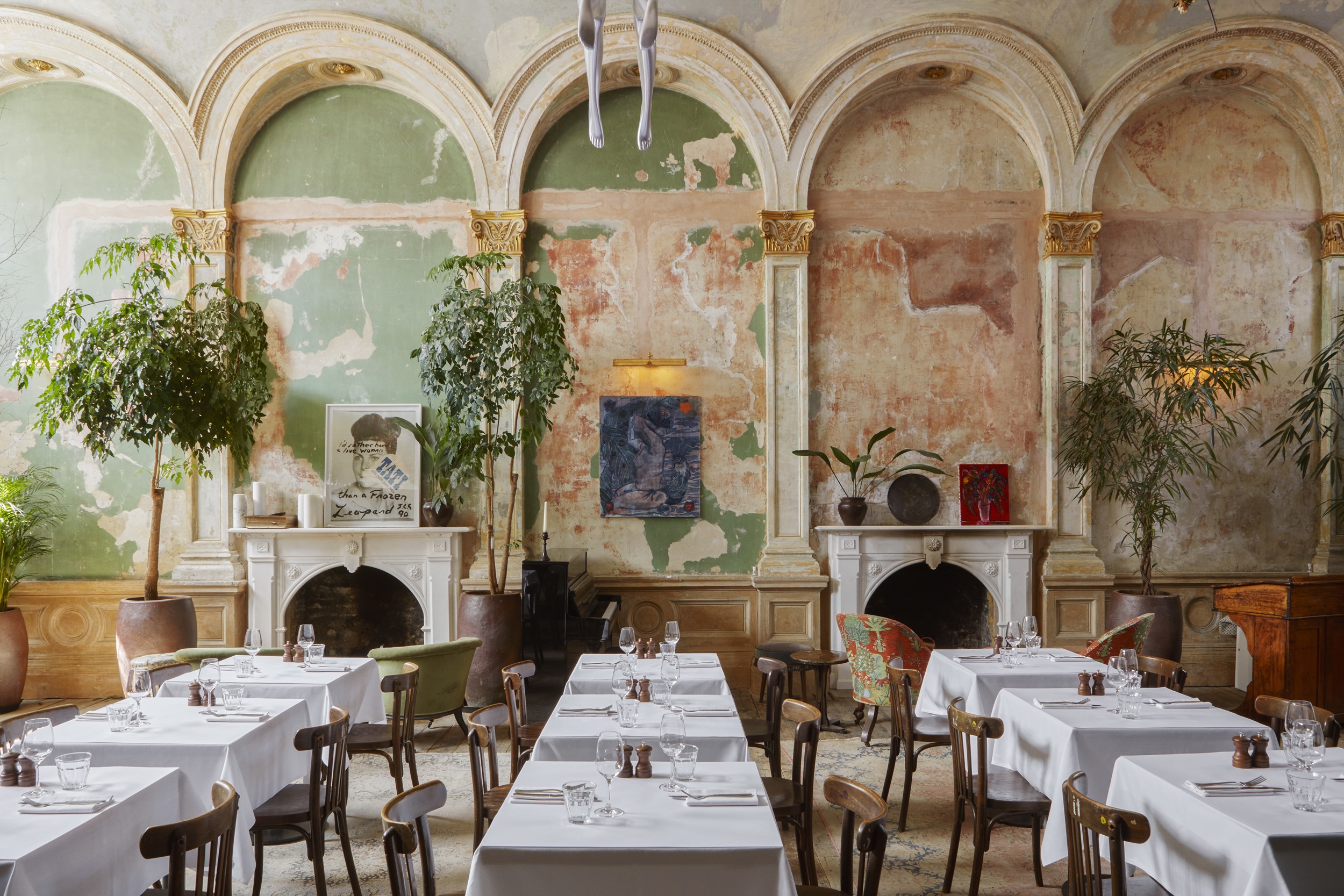
Interiors at Old Sessions House embrace the character of its historic building. Photo: Courtesy of Old Sessions House
Clerkenwell exudes history. It’s an atmospheric kind of neighborhood, where medieval arches knit with Victorian alleyways, cobblestones and the pulse of 21st-century life, all coalescing on the northern flank of London’s financial district.
Named after the Clerks’ Well, a 12th-century water source, the area originally offered fresh air, fields and water from several subterranean spas, springs and wells. That semi-rural village is now a densely packed urban centre, humming with stylish young creatives strolling between workplaces and the coffee shops, bars and restaurants that cater to them.
In fact, Clerkenwell has the highest concentration of design and creative businesses in the world according to Marlon Cera-Marle, director of media and events company Media 10. Along with prime loft apartments, these ventures have occupied the area’s Victorian warehouse buildings since the 1980s. Architects, designers and craftspeople are mainstays; more recent arrivals include LinkedIn, which in 2019 moved its London headquarters into the industrial-style offices that were previously occupied by the Guardian newspaper.
“It’s a hub for furniture brands,” confirms Andrew Olah, co-founder of contemporary furniture company Reddie. He and his wife and co-founder, Caroline Olah, moved to London from Australia earlier this year, choosing Clerkenwell for Reddie’s first European showroom.
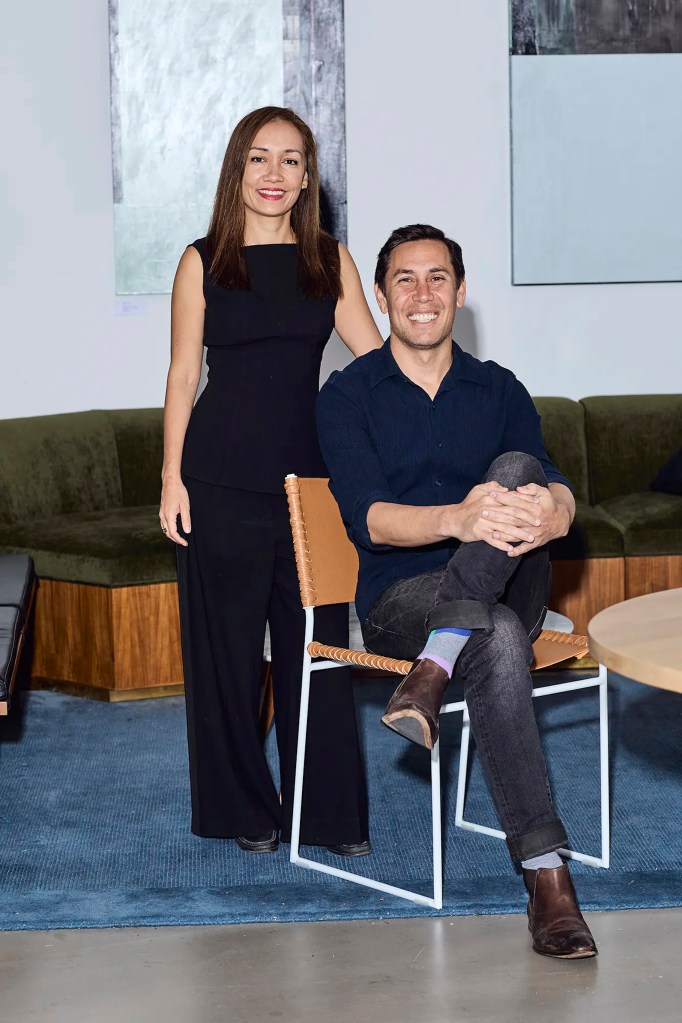
Caroline and Andrew Olah, founders of furniture company Reddie. Photo: Courtesy of Reddie
Sited on Goswell Road, its near neighbors include Cassina, Hay, Knoll, Moroso and Roche Bobois. Earlier this summer, home furnishings store SCP joined the creative cluster, taking a building on Clerkenwell Green in the heart of the district, after 40 years in adjacent Shoreditch. Reddie is housed in a 19th-century former bank. “It’s all exposed brick, raw ceilings and four layers of paint, some of which we left intentionally,” Andrew Olah says. “It adds a lot of character and speaks to the charm of Clerkenwell.”
The neighborhood lives and breathes design. In September, Clerkenwell and its surrounds became an official district of the London Design Festival. Meanwhile, for three days each May, these showrooms and related businesses go into overdrive for Clerkenwell Design Week. “The historic streets, industrial buildings and hidden courtyards create an amazing backdrop for installations and exhibitions,” says Cera-Marle, who runs the annual event.
That heritage backdrop includes the 12th-century Priory of the Order of St. John, with its Norman crypt and Tudor gatehouse, and the 14th-century Charterhouse, a former monastery that now comprises an almshouse, chapel, museum and gardens. Centuries-old St. John Street, meanwhile, was the main “droving” route for farm animals being walked from as far away as the Midlands to Smithfield Market, on Clerkenwell’s southern edge.
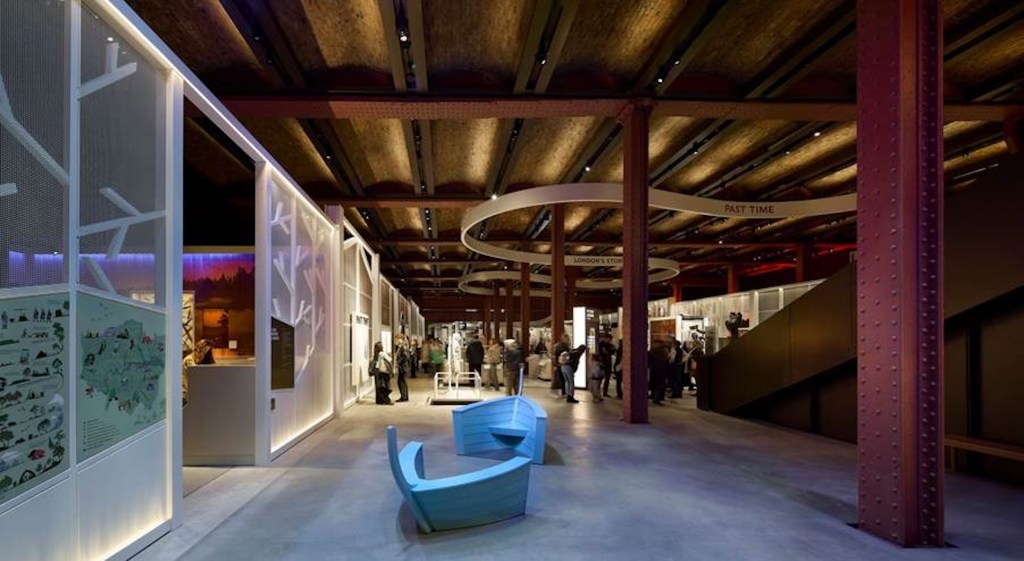
Past Time, the new London Museum’s permanent gallery exploring 2,000 years of London’s urban history set at Roman street level. Photo: Hufton + Crow
More than 800 years of livestock and meat trading is scheduled to end there in the next few years, when the current Smithfield Market, housed in Grade-II listed buildings, relocates to London’s Docklands. Two derelict blocks have already been given a spectacular £437m (US$577m) overhaul to become the new London Museum, opening November 2026, a major collaboration between Stanton Williams, Asif Khan and Julian Harrap Architects.
Stanton Williams is a local firm, one of many in the area, including the world-renowned ZHA, founded by the late Zaha Hadid. They sit alongside clockmakers, watchmakers, printers, goldsmiths and silversmiths, dating back to Clerkenwell’s inception as a major artisan center in the early 19th century. Today, many jewelry designers have studios in the district’s Goldsmiths’ Centre, which houses jewelers and other makers working with precious metals.

Clerkenwell, London | United Kingdom Sotheby’s International Realty
Happily, Hatton Garden, the capital’s diamond quarter, borders Clerkenwell to the west. “I nip there for my supplies, from tool kits to gemstones,” says Emefa Cole, a jewelry designer based in the Goldsmiths’ Centre. Her customers—typically architects, art collectors and museum curators—also visit her studio. They might arrive into Farringdon Station, in the neighborhood’s southwestern corner. In 1863 this was the terminus of the world’s first underground passenger railway. It became a major transport hub when London’s Elizabeth line opened in 2022, with fast services connecting to Heathrow airport in just 33 minutes.
Both Cole and Olah describe stepping out at lunchtime or in the evening into streets full of workers heading for the area’s eateries, pubs and bars. “It pumps,” says Olah, who has noticed the crowd is “typically younger, quite well-dressed, quite hip.”
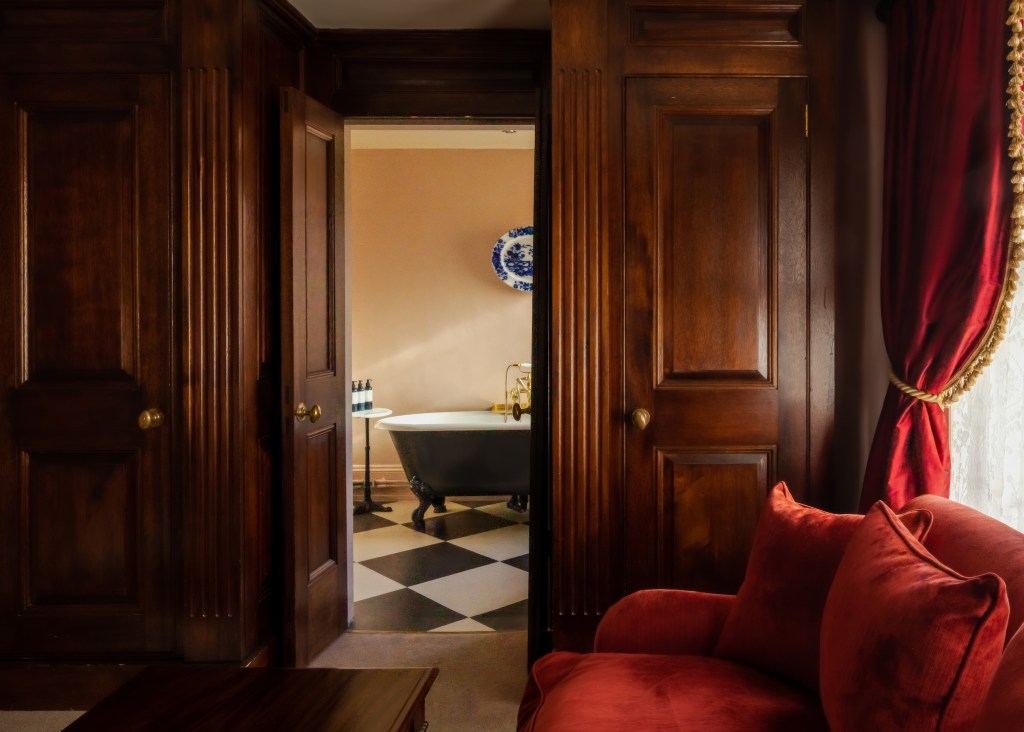
The Rookery hotel occupies a set of Georgian townhouses. Photo: Courtesy of The Rookery
On St. John’s Square is The Zetter, a high-end hotel where Cole joins friends or family for after-work drinks. “The interiors are luxurious and warm, but also quirky,” she says. “The rich, dark wood and leather make me feel like I’m in my grandpa’s old study in Ghana.” Meanwhile, The Rookery, on Peter’s Lane, is a Georgian boutique hotel with four-poster beds and roll-top baths.
For a proper meal, Cole heads to St. John Street and the legendary St. John. Open since 1994 in a former Smithfield smokehouse, the “nose-to-tail” dining institution has a Michelin star and casual feel. “It’s got this canteen vibe,” Cole says, “Trendy, utilitarian, unpretentious.” It’s popular with the art crowd, who hold gallery after-parties there.
She also likes Old Sessions House, a members’ club with a rooftop infinity pool and a restaurant and bar that are open to the public. The Palladian-style building opened on Clerkenwell Green in 1782 as the country’s then-largest courthouse and has received a light-touch refit courtesy of Swedish brothers Oliver and Ted Grebelius of Sätila Studios.
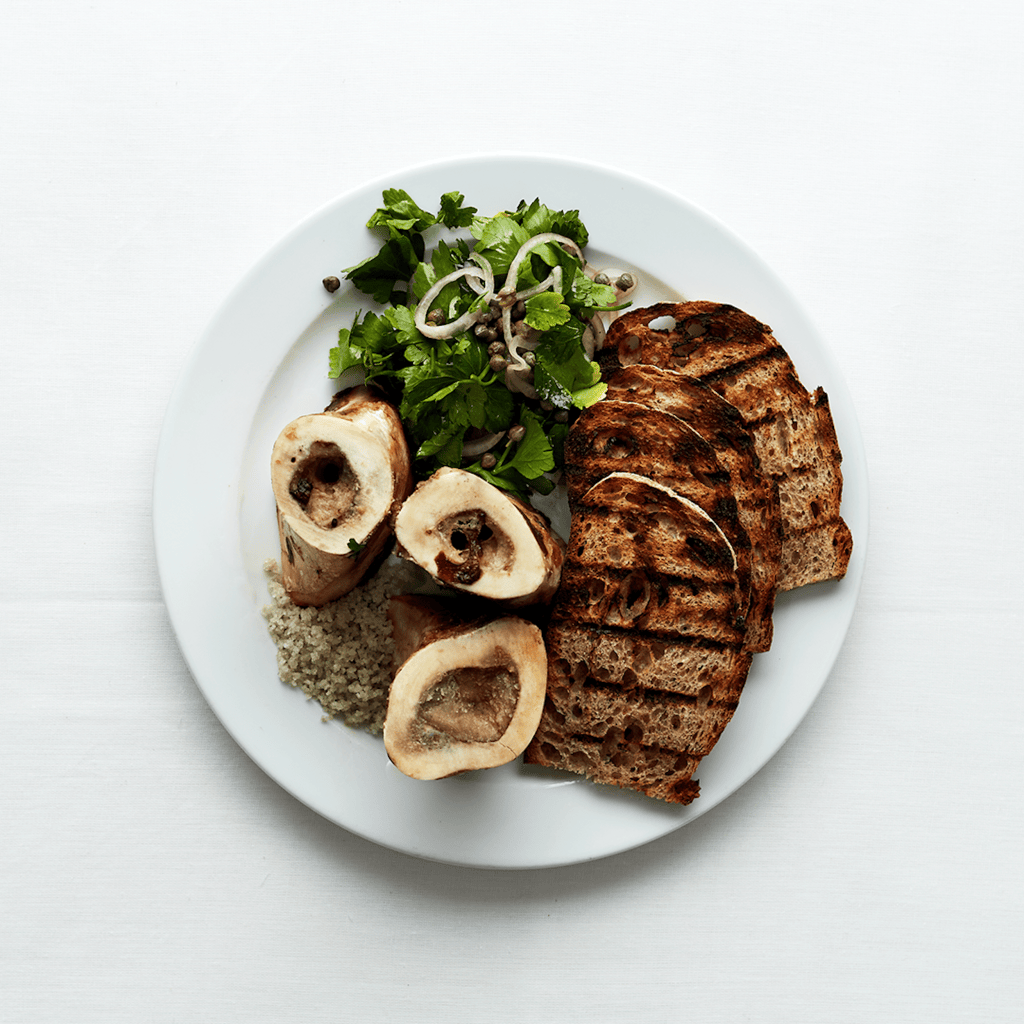
A dish of bone marrow typical of Michelin-starred St. John’s “nose-to-tail” ethos. Photo: Sam A. Harris
The aesthetics of incarnations past are found all over Clerkenwell. French bistro Le Café du Marché is situated down a cobbled mews near Charterhouse Square in a former bookbinder’s warehouse. Close by, Florin Court is a block of sought-after 1930s mansion flats—one of the only surviving unaltered art deco residential buildings in central London. It appeared as Hercule Poirot’s home in the TV adaptation of Agatha Christie’s novels.
Despite its central location, Clerkenwell has moments of greenery. Every day, the Olahs drop into the fenced area by St. James Church on Clerkenwell Close to let their puppy stretch its legs. “It’s like a hub at lunchtime, people who work locally sprawl out on the lawns,” Andrew Olah says. Cole and her colleagues, meanwhile, enjoy St. John’s Garden near the Goldsmiths’ Centre. “We love the wildlife, it’s a tiny oasis,” she says. With its layered past and vibrant present, Clerkenwell is primed to surprise and delight.
Now head to Beacon Hill, Boston, for a cultural tour of another storied neighborhood