
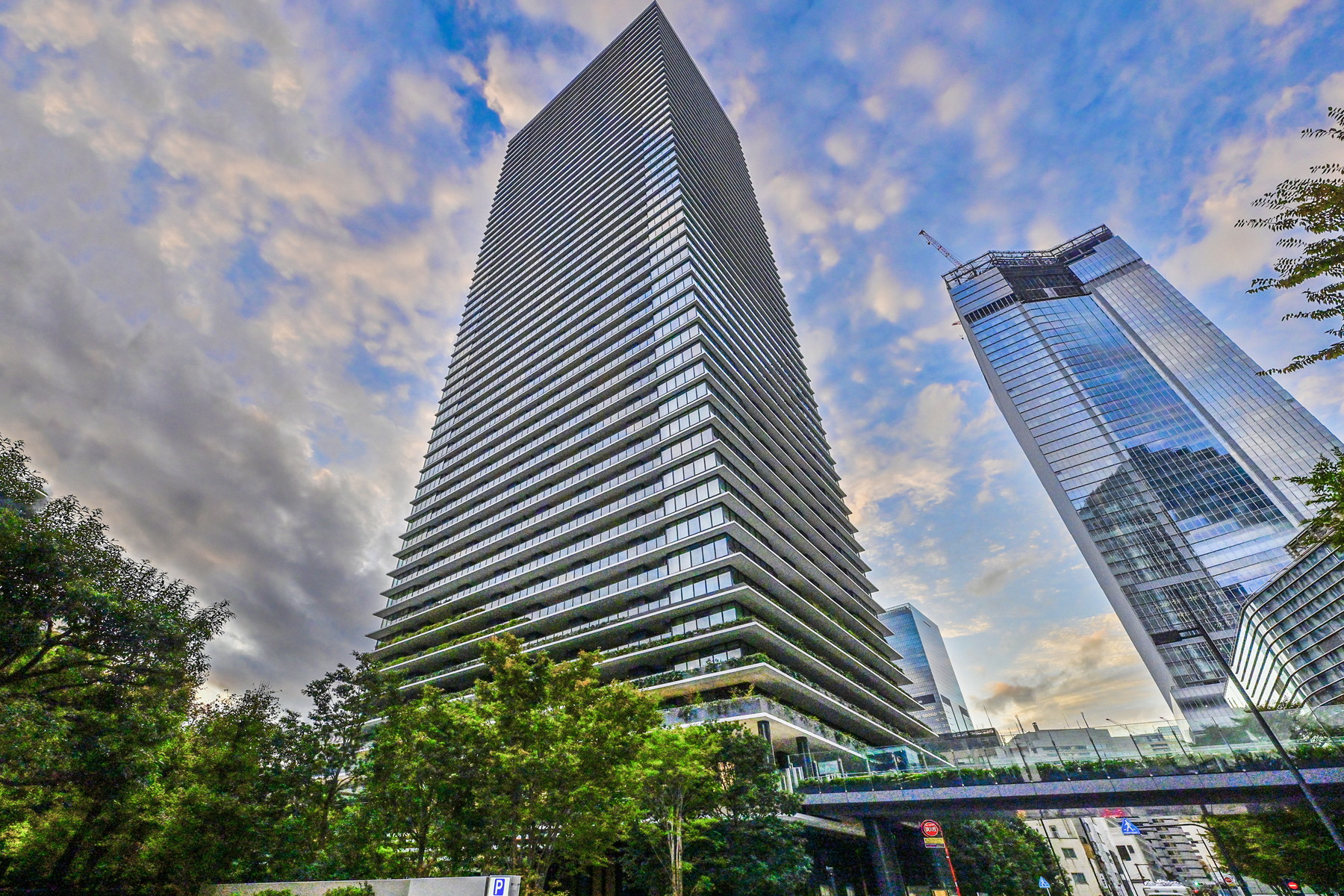
Japan’s luxury market continues to draw significant attention from high-net-worth buyers across Asia and beyond, attracted to the country’s stability, lifestyle appeal, and long-term investment potential. From trophy homes in Kyoto and prime residences in Tokyo, to sought-after resort destinations such as Niseko, Karuizawa, and Okinawa, international demand remains strong. Kantaro Aoki, Real Estate Advisor at List Sotheby’s International Realty, Japan, shares his perspective on the forces driving foreign buyers, and the opportunities he sees across Japan’s most desirable luxury real estate markets.
Among your buyers, would Japanese property be the top choice? If not, could you give me a sense of the demand for Japanese homes in your group?
There is no doubt that Japanese real estate remains highly sought after globally. Overseas demand continues to be strong, and we have recently completed a number of transactions with clients from Southeast Asia, many involving budgets exceeding JPY 1 Billion.
In addition to the strength of the Sotheby’s International Realty® brand, we receive a significant number of inquiries through our New York headquarters and our offices across Asia. We are also regularly introduced to clients by international banks, which reflects the high level of trust and confidence that global investors place in Japanese real estate.
What is fueling this demand for Japanese property?
Many buyers view Japan as a destination for portfolio diversification and typically acquire Japanese property as a second or subsequent overseas investment.
Japan’s safety, cleanliness, political stability, and accessibility from other Asian countries are major attractions. Beyond investment considerations, buyers are also drawn to Japan’s food culture and wealth of tourism experiences.
Many of our clients use Tokyo or Osaka as their primary base while enjoying extended stays in resort destinations such as Karuizawa, Hokkaido, and Okinawa.
With fluctuations of the Japanese Yen in recent years, how much of the current foreign buying spree is driven by currency discounts versus the long-term structural value of Japanese real estate?
For investors, exchange rates naturally have a direct impact on purchasing decisions. However, for buyers seeking second homes or lifestyle properties, currency movements are generally a secondary consideration.
While the weaker yen has certainly supported demand, very few clients are buying solely because of favorable exchange rates. Most buyers pay close attention to market conditions, but ultimately evaluate opportunities based on budgets denominated in their home currencies. As a result, the exchange rate acts more as a tailwind than a primary driver.
What makes Tokyo, Kyoto, or other parts of Japan attractive luxury property markets?
Tokyo and Kyoto offer very different propositions.
Tokyo is highly favored because of its accessibility, liquidity, and long-term asset value. Luxury detached homes tend to be expensive and inventory is often limited, but demand remains strong due to the city’s global status and convenience.
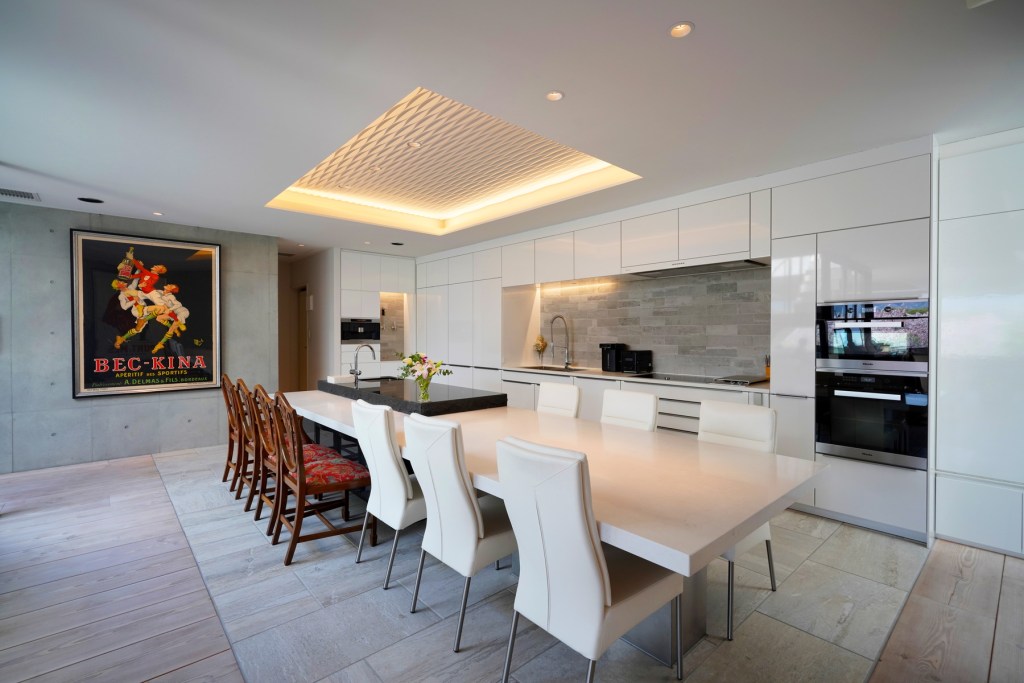
Kyoto, on the other hand, offers a relatively larger supply of spacious detached homes with gardens, partly due to lower land prices. However, compared with Tokyo, Kyoto has fewer luxury condominium developments. As a result, many international buyers still choose Tokyo as their primary base in Japan. At the same time, Kyoto offers truly irreplaceable trophy properties that cannot be replicated elsewhere.
A good example is the “Kyoto Luxury SAKURA Residence,” a one-of-a-kind home transformed from a former luxury jewelry brand showroom. Overlooking the Kamo River, the residence offers breathtaking cherry blossom views in spring and panoramic views of all five Daimonji bonfires from its rooftop terrace in summer—an exceptionally rare combination that embodies Kyoto’s seasonal beauty and cultural heritage.
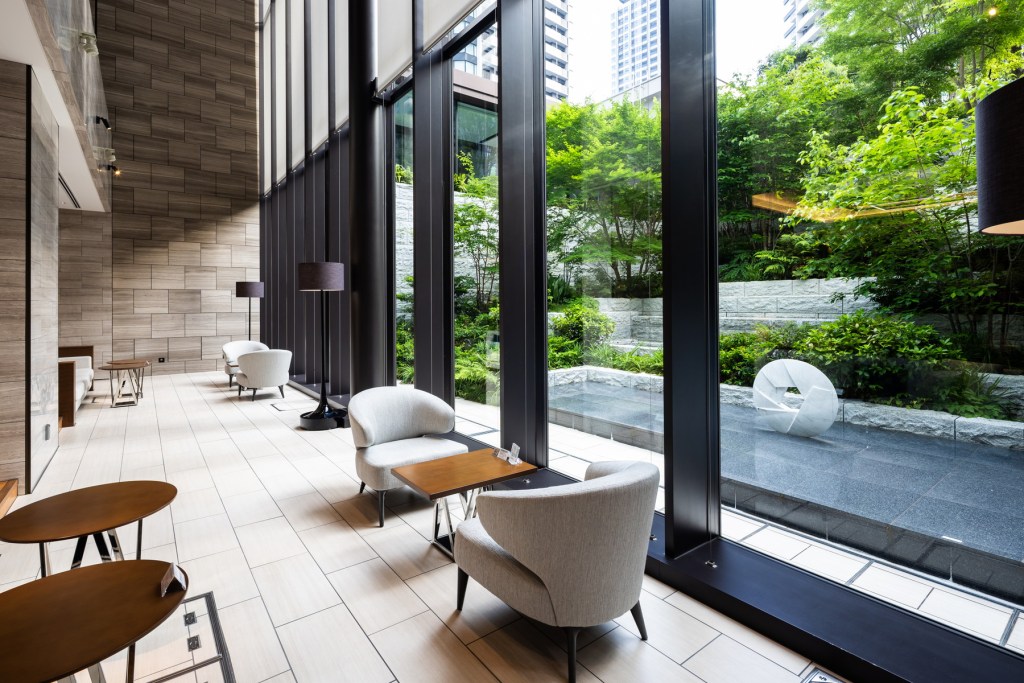
Osaka has also emerged as a key destination for affluent Asian buyers. The city is benefiting from ongoing urban redevelopment and infrastructure improvements that extend well beyond Expo 2025. Compared with Tokyo, Osaka continues to offer relatively attractive pricing, providing strong potential for future capital appreciation. Excellent connectivity via Kansai International Airport and the upcoming Integrated Resort (IR) development are expected to further enhance Osaka’s position as one of Asia’s leading international business and tourism hubs.
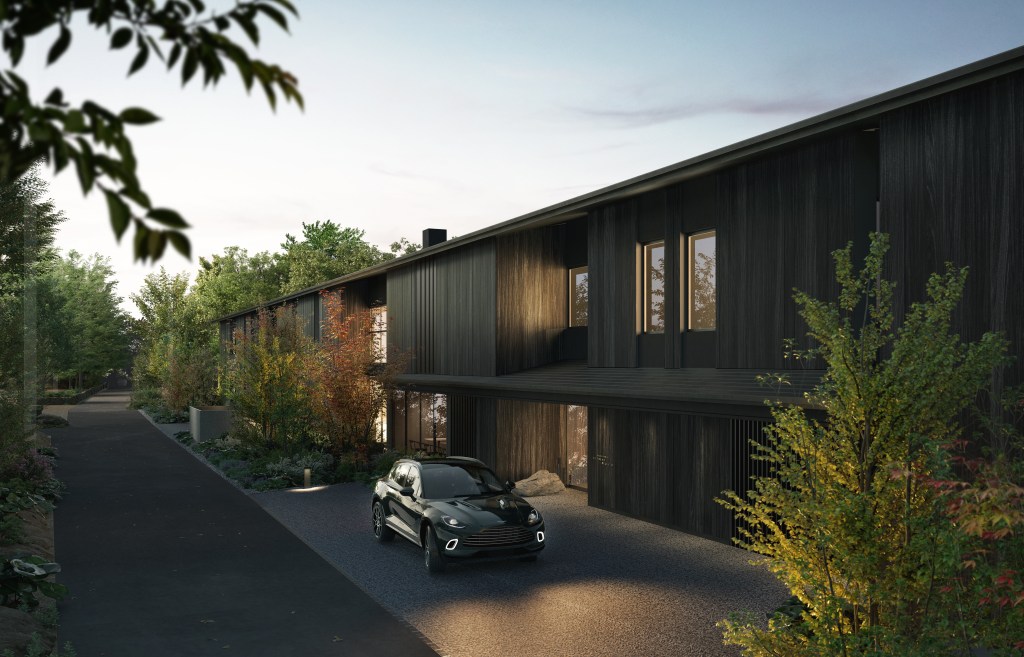
Among resort destinations, Niseko, Karuizawa, and Okinawa continue to attract the strongest interest. Niseko stands out globally for its exceptional powder snow and international reputation as a premier ski destination. Karuizawa and Okinawa are also becoming increasingly popular among Asian buyers. Karuizawa appeals to affluent buyers seeking a luxury second home within easy reach of Tokyo. Its beautiful natural surroundings, distinct four seasons, and long-established reputation as Japan’s premier resort town make it particularly attractive for wellness-focused and dual-residence lifestyles.
Okinawa, meanwhile, benefits from strong tourism demand and growing recognition in Taiwan and Greater China. Its subtropical climate, convenient access from major Asian cities, and increasing number of luxury developments make it an attractive destination for both lifestyle purchases and investment. The arrival of internationally renowned hospitality brands such as Rosewood and Four Seasons is further reinforcing Okinawa’s position as one of Asia’s emerging luxury resort markets.
What is your view of recent initiatives to tighten foreign property buying in Japan?
At present, Japan remains highly accessible to foreign buyers, with no significant ownership restrictions or foreign-buyer-specific taxes.
While there has been occasional discussion regarding potential future tax increases or regulatory changes, no concrete measures have been implemented. We have not observed any meaningful increase in demand driven by concerns over possible future restrictions.
What tips would you share for buyers seeking to buy property in Japan?
Buyers should focus on prime locations, established brands, and properties supported by genuine and sustainable demand.
One unique characteristic of the Japanese market is the prevalence of off-market transactions. Many deals are completed privately, and transaction data is often not publicly available. For that reason, selecting a trusted and experienced advisor is essential, as access to inventory and market intelligence can significantly influence investment outcomes. Beyond simply introducing properties, I believe real estate advisors should help clients build a lifestyle in Japan.