
A rich modernist legacy and vibrant cultural calendar make Brazil’s biggest city an indisputable destination for art, design and luxury
 São Paulo, Brazil | Bossa Nova Sotheby’s International Realty
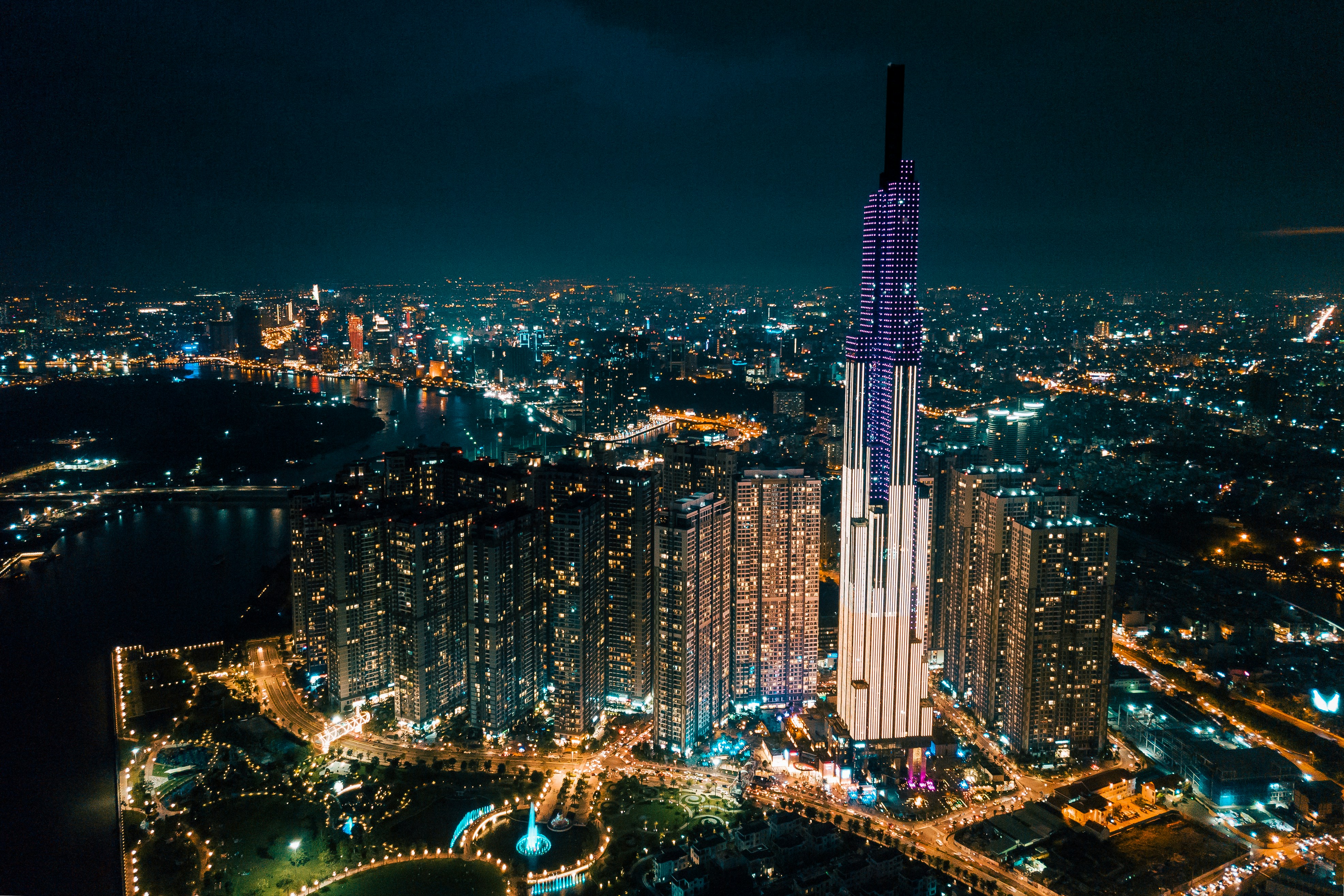
Urban São Paulo might once have sat in the shadow of its coastal neighbor Rio de Janeiro, but what it lacks in beach beauty, it more than makes up for in energy, swagger and style. Brazilians from every corner of the continental-sized country call São Paulo home, while, over the decades, waves of international arrivals—from Japan and Italy to Syria and Lebanon—have all made their mark on the city’s past and present, drawn by the opportunity to create or do business in a city where anything seems possible.
This mix of people and cultures is never more present in the city than during the São Paulo Biennial—the second oldest art biennial in the world after Venice—which attracts hundreds of thousands of visitors during its four-month run. This year marks its 36th edition and the curatorial theme shaping the work of the hundred or so invited artists is, aptly enough, inspired by the multiplicity of encounters that have marked Brazil’s history.
 São Paulo, Brazil | Bossa Nova Sotheby’s International Realty
While the Biennial has been a catalyst for the city’s art scene since its 1951 beginnings, the building that houses it has played an equally important role in shaping the city’s art and design heritage. Completed in 1957, the Ciccillo Matarazzo Pavilion was designed by the master of tropical modernism, architect Oscar Niemeyer, when Brazil’s modernist movement was in full swing.
It is part of a group of buildings that Niemeyer designed for the then-newly formed Ibirapuera Park, which spans almost 400 acres. A vast oblong of concrete and glass, sitting on pillars amid the landscaped trees of the park, the pavilion’s true beauty reveals itself inside, with soaring spaces and sumptuous white curves at every turn.
 São Paulo, Brazil | Bossa Nova Sotheby’s International Realty
“São Paulo has a very striking modernist tradition, which still resonates across various parts of the city,” explains architect Gustavo Utrabo, a RIBA International Prize winner and founder of Estúdio Gustavo Utrabo. “The inheritance from this period has unfolded over the years and opened many other routes in architecture, often precise and lean.”
Utrabo’s studio produces design projects at all scales, from large commercial buildings transforming industrial areas of the city to private residences in the leafy and low-rise area of Jardins, an upscale residential neighborhood.
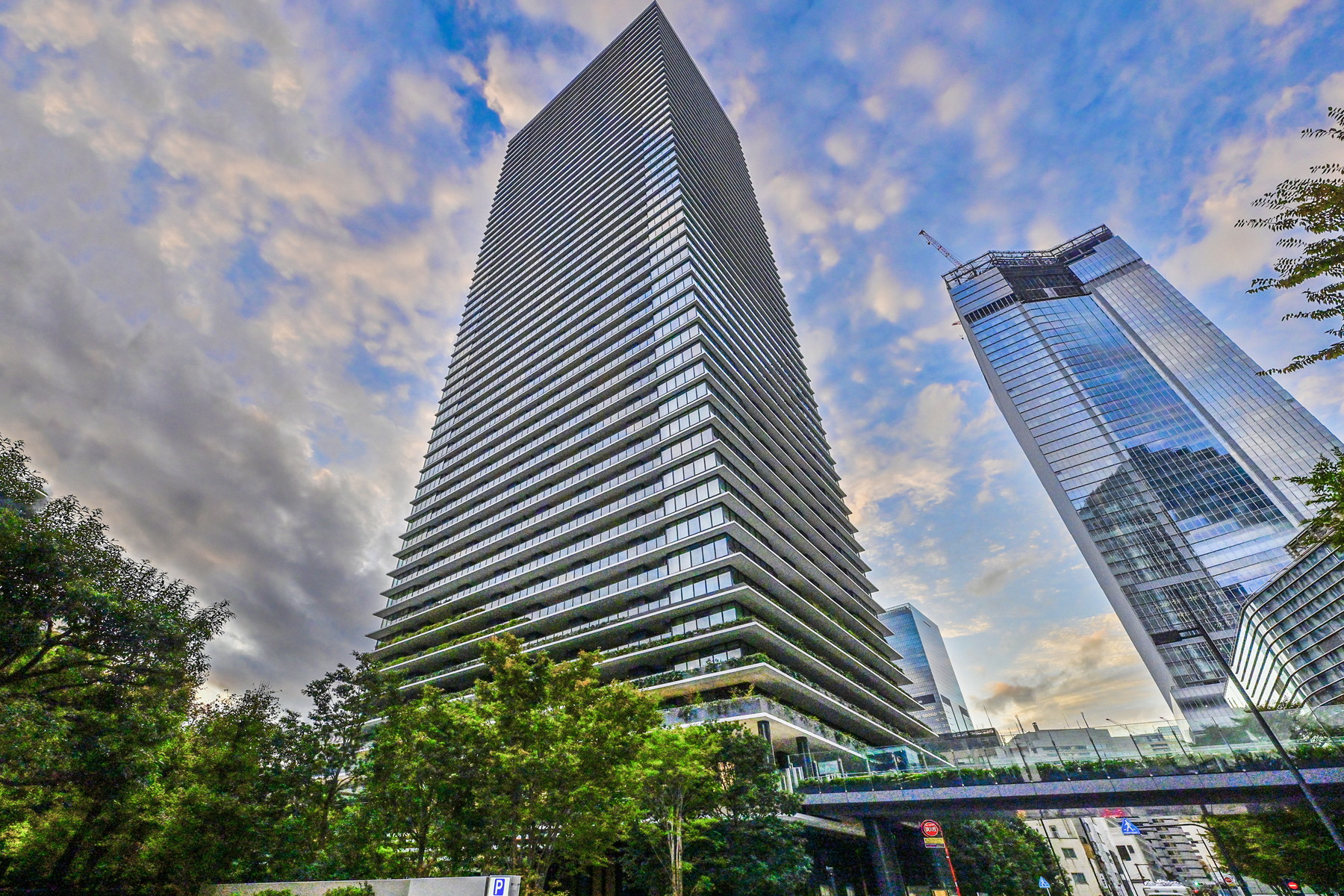
Here, the favored modernist materials of concrete and glass were a blank slate for the contemporary creative makeover of a house by designer Vitor Penha. It’s the perfect spot for art lovers, surrounded by art galleries and close to some of the city’s best dining and luxury boutiques. Nearby, a rooftop apartment with floor-to-ceiling windows has spectacular views of the city skyline in all directions and easy access to Ibirapuera Park.
 São Paulo, Brazil | Bossa Nova Sotheby’s International Realty
“Seeing the traces of modernism is an invitation to reflect on the many possibilities for the future that we can build from this legacy, as much in architecture as in design,” says Utrabo. São Paulo’s annual art fair, SP-Arte—held in the Biennial’s pavilion in April—now has a well-established design section. It’s a nod to both the country’s design heritage and the global market for mid-century Brazilian furniture, with its organic forms and minimalist aesthetics that mirror modernist architecture. A selection of the best design studios show each year, some of which specialize in re-editions of modernist classics
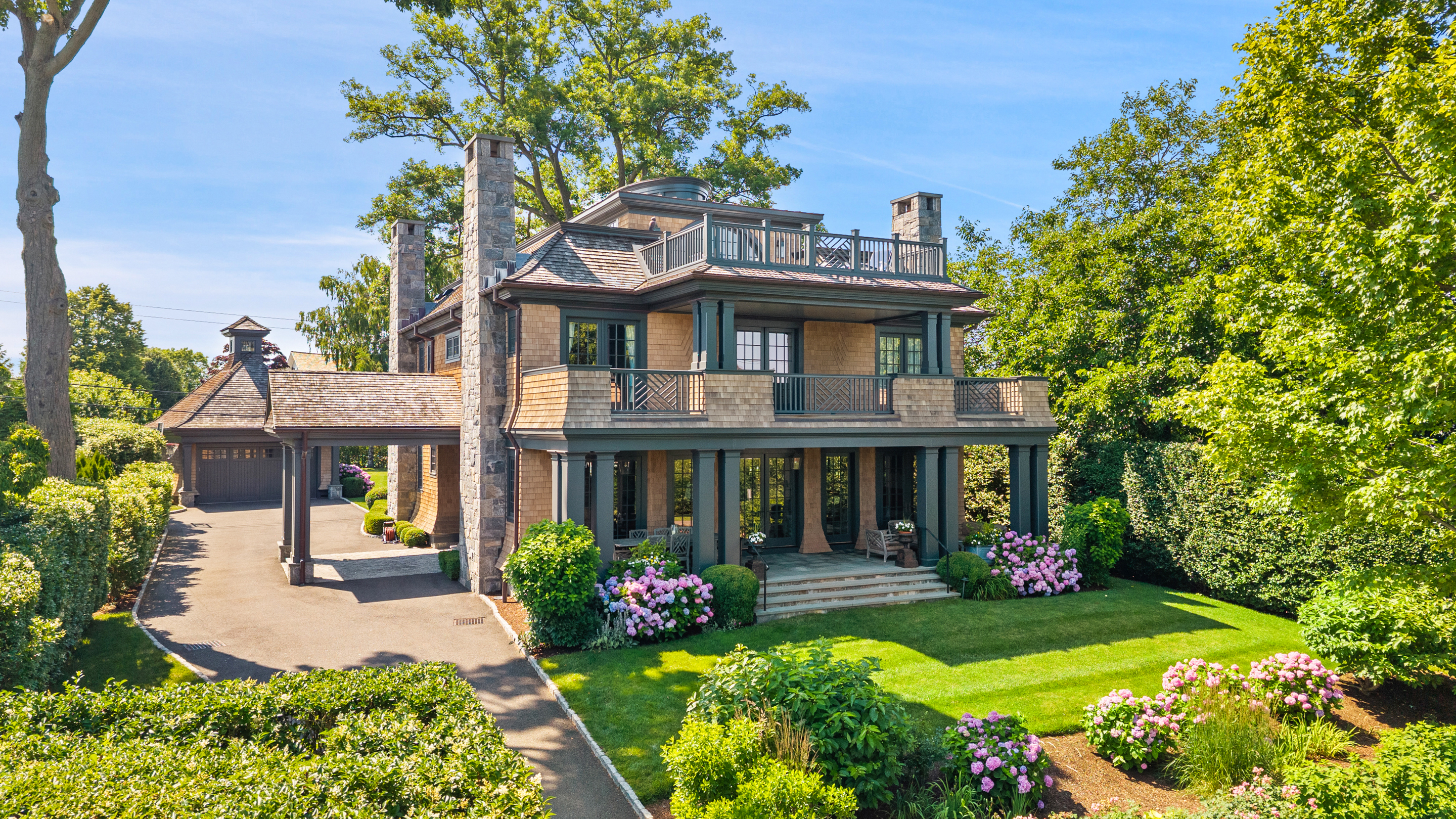
Such furniture is a fixture in the city’s high-end homes, whether those in the center or nestled further out among verdant hills (but still an easy hop to the financial district around Avenida Brigadeiro Faria Lima). Neighborhoods here like Morumbi are lined with vast villas, such as this stunning home on a gated street, complete with tennis court, swimming pool and expanses of entertaining space, inside and out.
Nearby in Jardim Guedala, a house by award-winning architect Márcio Kogan offers its own spa, gym and elevator. Kogan is the name behind São Paulo’s elegant Fasano Hotel and many of the city’s most stylish restaurants and shops, and his design here provides the best of Brazilian living, where nature and design blend beautifully in one.
Explore our Spotlight on Seoul, South Korea, capital of cosmopolitan luxury