
As design season gets underway, showing off prized possessions demands thought and skill—and good lighting, writes Kate Youde
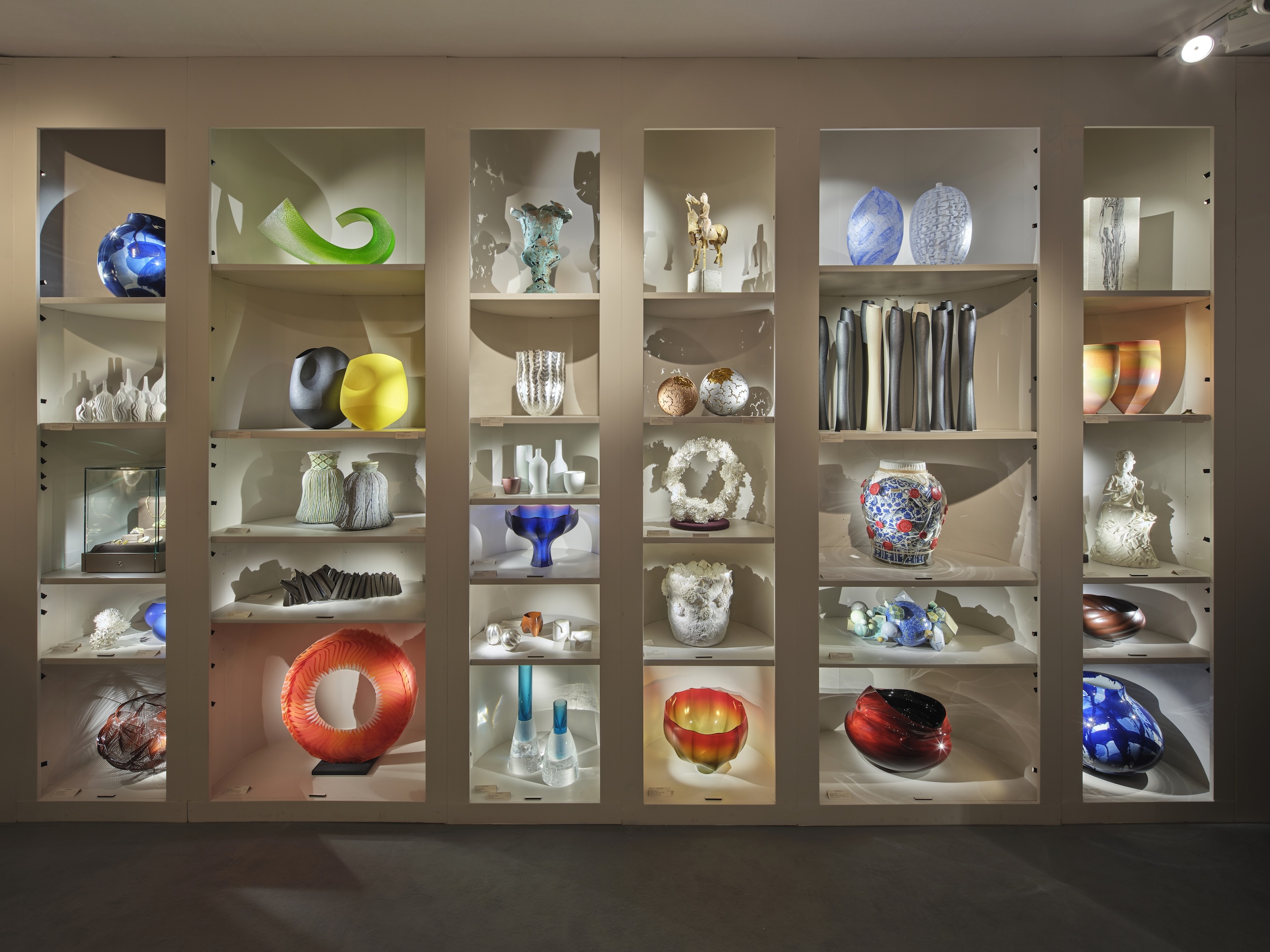
An Adrian Sassoon display at PAD 2025, London. Photograph: Yosuke Kojima.
Part of the joy of collecting is the thrill of the chase. With the annual PAD London design fair underway and the Parisian edition of Design Miami returning soon, visitors will be on the hunt for collectibles in a range of categories from silverware to ceramics to display in their own home.
A compelling collection can “bring an interior to life,” according to interior designer Phillip Thomas, telling “the story of the person that lives in the home,” he adds. “It almost gives the home a heartbeat, which would be lacking if it was just things that were procured by the designer without understanding the client themselves,” he explains.
But what is the best way to display your pieces in a luxury interior? Thomas, whose eponymous US interior design firm is often asked to incorporate collections into high-end residential projects, says the right solution depends on both the proportions of the items collected and how they fit with the architecture of the space.

Phillip Thomas devised a bespoke textured leather and zebrawood frame for a client’s guitar collection in New York City. Photograph: Brian Park
Thomas seeks out “pockets within a home,” where he can elevate a client’s treasured objects, giving them the same respect the person has shown by collecting them.
In a Long Island farmhouse, for example, he arranged beautiful old glass bottles on custom-built shelving not only to show off the collection but to help bring natural light from the living room into an interior stairwell through transom windows.
Discovering another client’s passion for music, he used textured leather and zebrawood, stained grey and given a cerused finish using silver powder, to frame three electric guitars on a wall in the home office of their Upper West Side condominium in New York City.
“They really stand out as works of art, not just utilitarian pieces,” says Thomas.
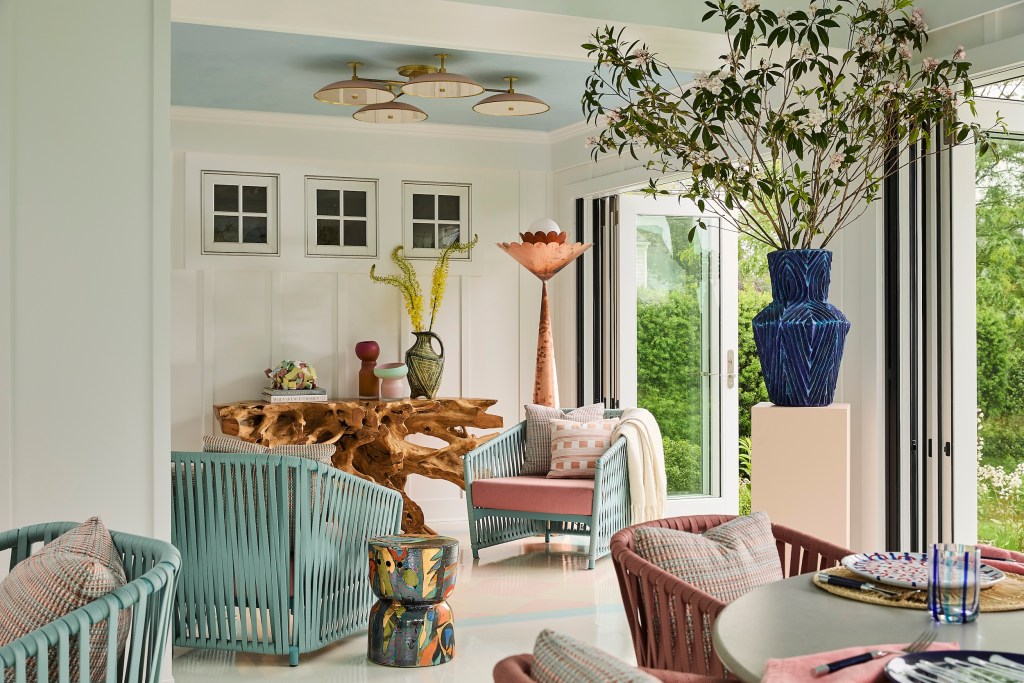
Ceramics add depth and texture in this Phillip Thomas-designed garden room in Connecticut, U.S. Photograph: Genevieve Garruppo
“It’s about creating brief stories within the interior about that collection, rather than the collection being the entire story of the interior,” says Thomas, who displayed pieces of 20th and 21st-century ceramics in multiple ways in a coastal Connecticut home.
A large blue vase sits atop a pedestal in the garden room so its depth and texture can be admired from all directions, including from outside the expanded late-19th century house.
The same room also includes groupings of ceramics, as do the living room and bedrooms. Thomas suggests pieces that have “a little bit of tension between each other” will capture more attention and make people pause to appreciate individual objects within a cluster.
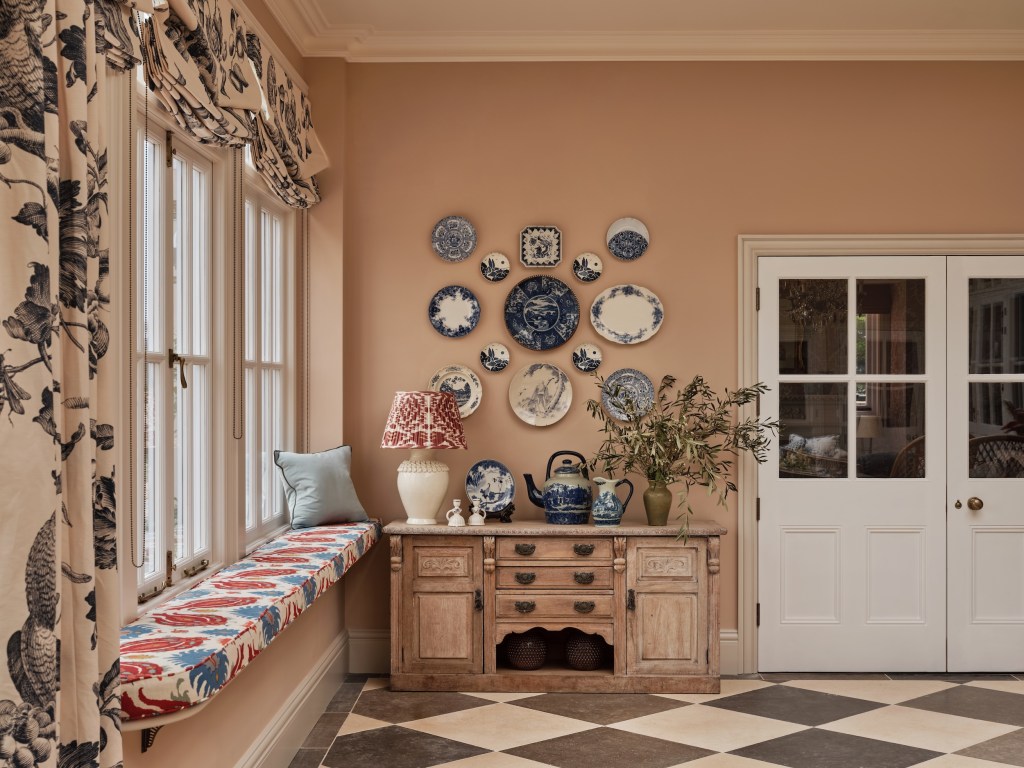
An antique plate arrangement by Rebecca Hughes in Hampshire, U.K. Photograph: ⓒ Astrid Templier
Similarly, interior designer Rebecca Hughes displayed a collection of blue-and-white antique china plates, including pieces by Royal Delft and Spode, on a wall in the orangery of a Victorian country house in Hampshire, England.
Adrian Sassoon’s namesake London gallery is showing collectibles including ceramics, glassware and silverware at PAD London. He advises displaying pieces in odd numbers, though adds that pairs can offer “a rhythm of different heights.” He also recommends breaking up the work of different artists.
Sassoon asks his customers to think about how an object will appear as they walk into a room, when they will see more of its profile, at standing height and when they are seated. “If I’m actually in a room helping a collector place something, I would try that out,” he says.

Collectibles on display at Adrian Sassoon’s stand at PAD 2025, London. Photograph: Yosuke Kojima
Scale is a key consideration when selecting pieces for a home. Sassoon sells items that fit in the palm right up to monumental objects, including large-scale ceramics by British ceramicist and potter Felicity Aylieff, which stand on the floor. He says such pieces “look sad in a corner” and shouldn’t be placed against a wall. “These are so large, it’s quite like a person standing in the room,” he advises.
Lighting is also crucial. Thomas might create a well-lit architectural niche for collectibles, for example, helping frame pieces “and give them more importance.” Conversely, poor lighting can fail to do a collection justice.
TM Lighting, a specialist company working with private collectors globally, lights everything from jewelry to chinaware, coins to model cars. The choice of illumination, whether accent lights, downlights, freestanding lighting or linear LEDs integrated into shelves, depends on the objects on display, but cofounder Andrew Molyneux says the aim is to “minimise the distractions” to hold focus on the pieces themselves.

Ceramic pieces are regularly rotated in this Phillip Thomas-designed interior, to keep collections looking fresh. Photograph: Genevieve Garruppo
Color temperature, meaning the warmth of the light, plays a big part in ensuring lighting for a collection integrates with other design choices in the home, according to Molyneux.
Whereas pieces in a gallery exhibition may be under “very neutral white light,” a much warmer, “cosy” light is preferable at home, he says. His company also ensures an object is lit as authentically as possible in comparison to natural light, and that there is consistency in the hue of the illumination used across a collection.
Ultimately any display is shaped by an individual collector’s taste. However Thomas cautions that less is often more. No more than 60 of his client’s 100-plus ceramic pieces are displayed in their Connecticut home at any one time. These are swapped out often “to keep the space feeling fresh and different,” he says. “It’s like revisiting a friend that you haven’t seen in a while,” he adds.
Our Collecting Focus series features expert advice on contemporary art, high jewelry, watches, wine, rare whisky, historic books, fashion history, natural history, Chinese art and antiques and Americana