From statement chandeliers to flickering flames, the right lighting brings joy and warmth to seasonal living, writes Elizabeth Metcalfe
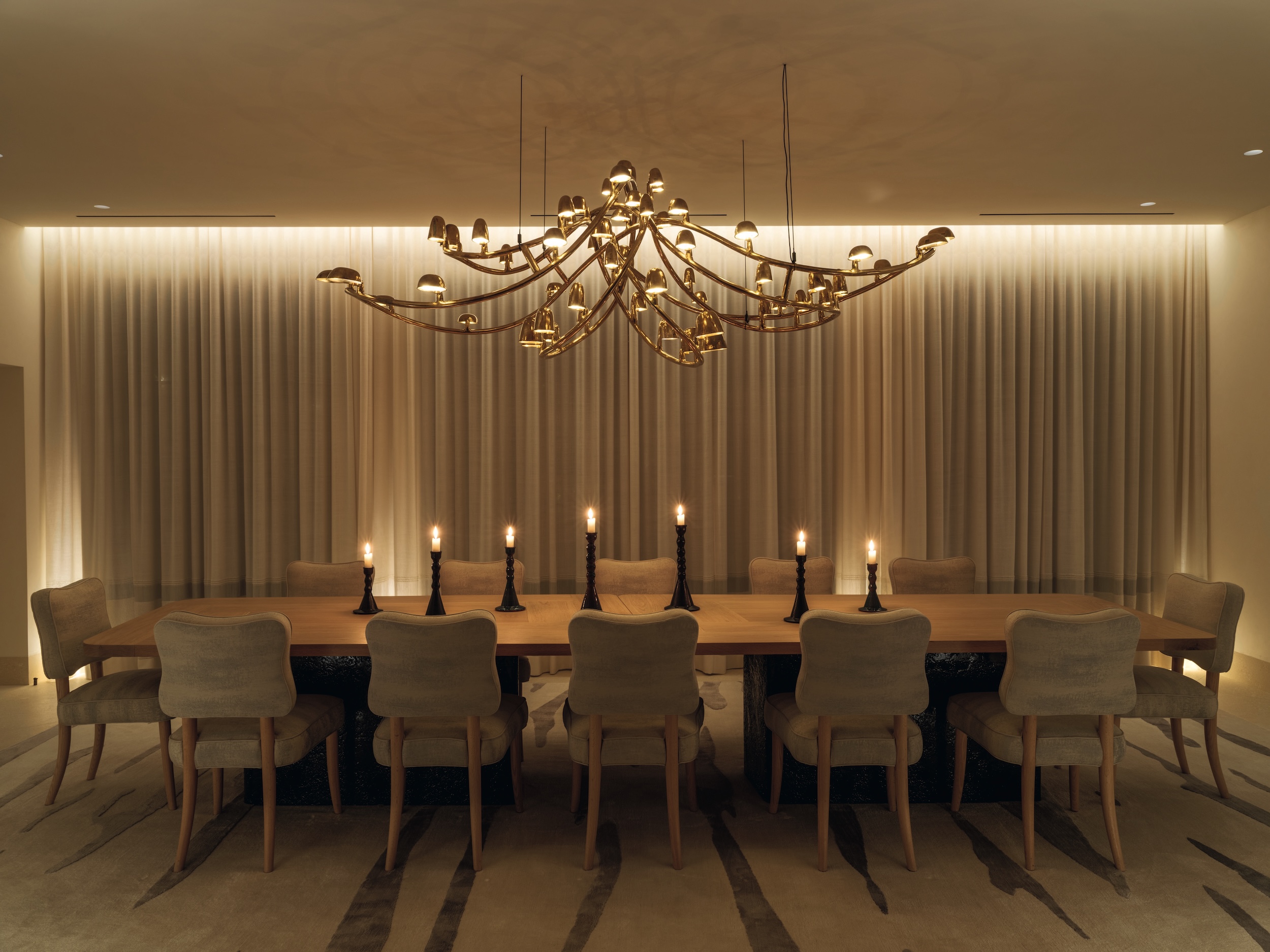
An Orsman-designed lighting scheme at a home in Palm Beach, Florida, with interiors by Jessica Schuster Design. © “Light: Illuminated Interiors and Architecture” by Nathan Orsman, Rizzoli, 2026
As the nights draw in, there are few things more inviting than the warm glow of a beautifully lit home. Lighting takes on renewed importance at this time of year, shaping not only how we see rooms, but also how we experience them. “At its best, lighting should bring beauty, emotion, and above all, joy to a home,” says Nathan Orsman, an architectural and landscape lighting designer, whose new book “Light: Illuminated Interiors and Architecture” (Rizzoli) brings together work from the past 15 years.
For Orsman and his eponymous design studio, good lighting should perform the role of a “great backup dancer.” The Australian-born designer has collaborated with interior designers including Steven Gambrel, Jean-Louis Deniot, and Reinaldo Leandro on projects across the world, lighting homes for owners from Oprah Winfrey to Marc Jacobs. “We don’t aspire to be the star, but are essential to making the star truly shine,” he says.
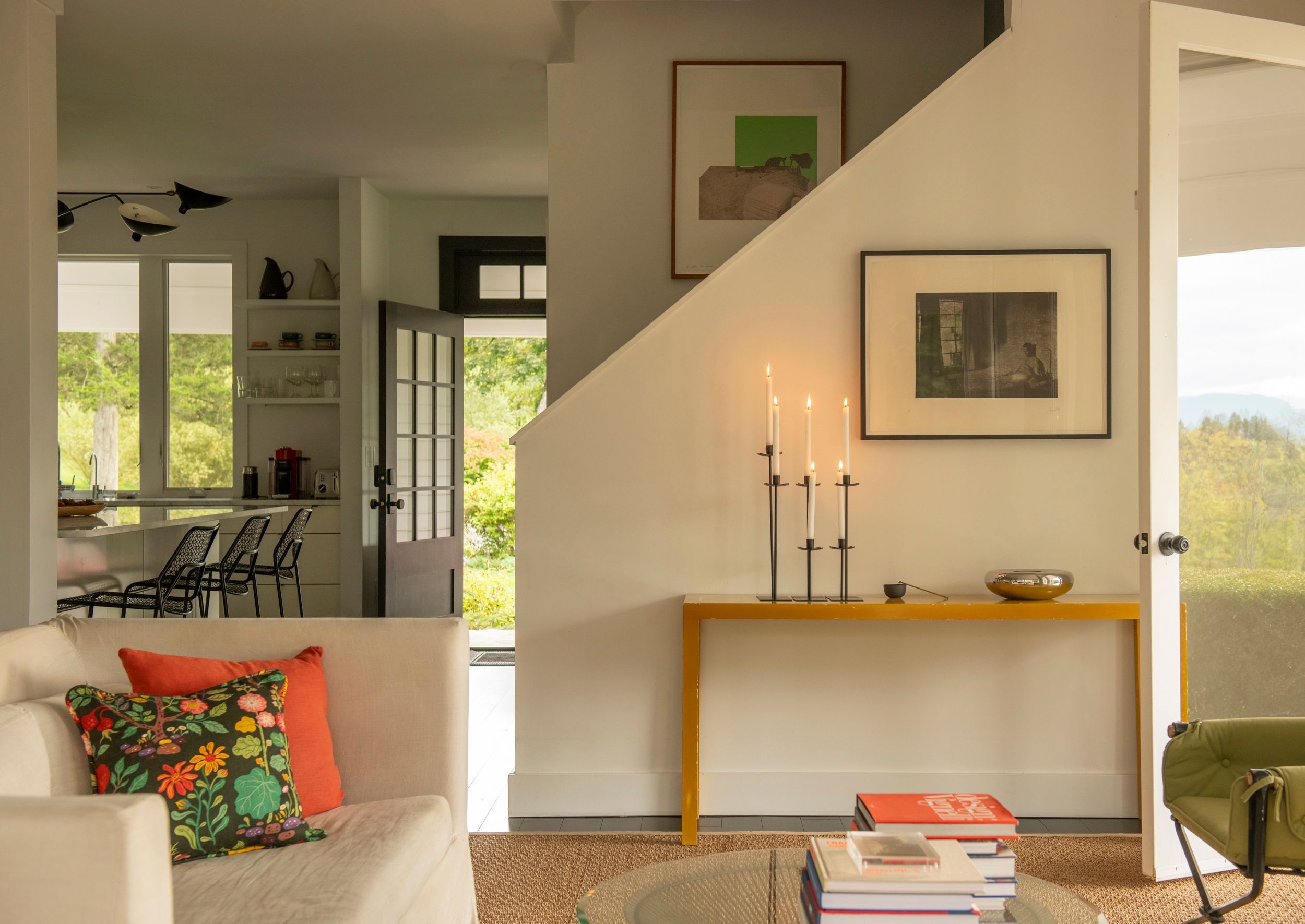
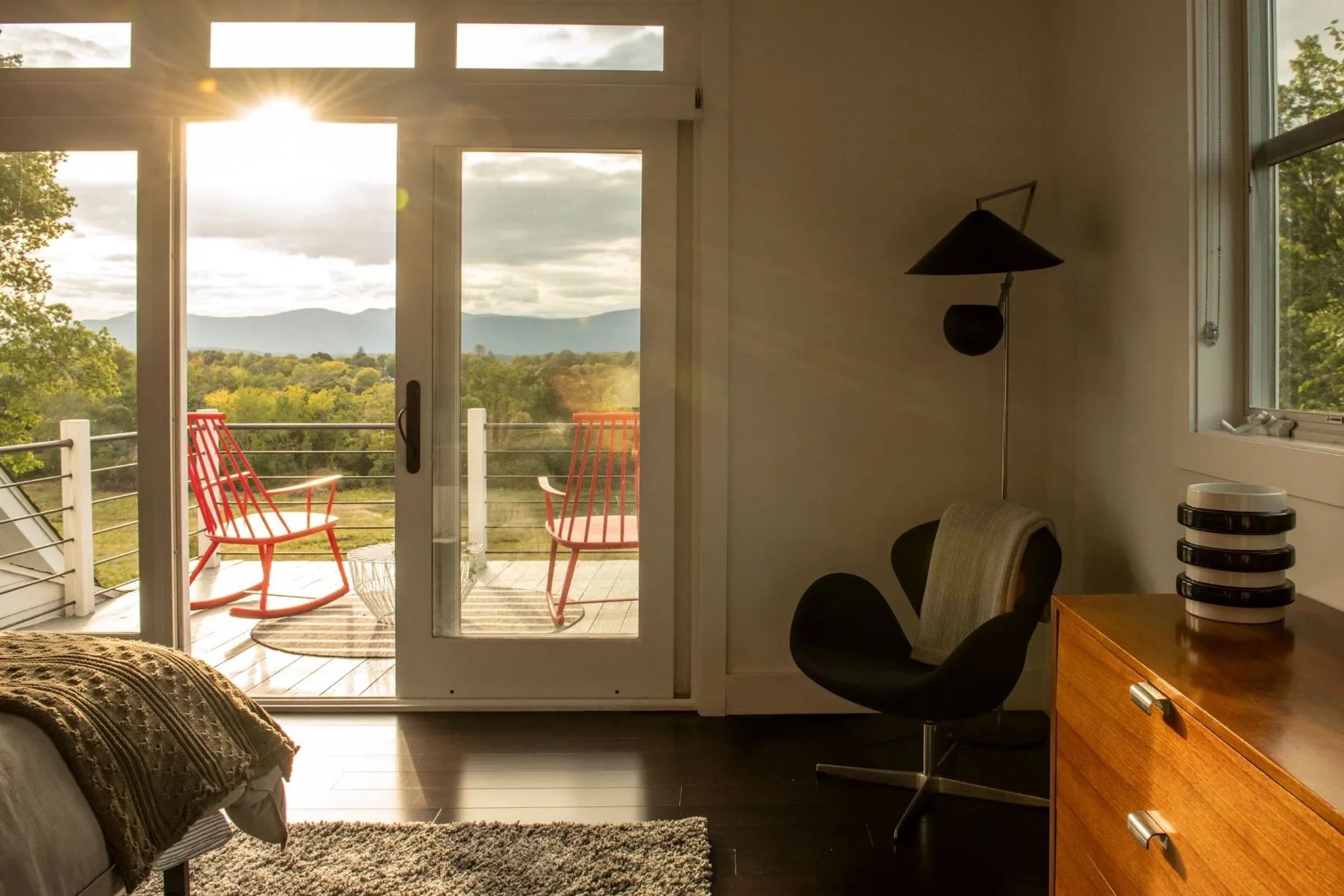
Catskills, New York | Four Seasons Sotheby’s International Realty
Orsman distinguishes between functional lighting and the more elusive “feeling of light,” as he describes it. In kitchens and workspaces, for example, practical illumination is essential, but elsewhere the emphasis should be on crafting atmosphere. “When you come home after a long day, you want your home to feel like a place of respite,” says Orsman. “The lighting should soften, creating a sense of warmth, comfort, and intimacy.”
Layering is key. Rather than relying on a single overhead source, a combination of table lamps, floor lamps and wall lights allows a room to take on different moods. “In a communal space like a dining room, it’s about where the light falls, how it illuminates the table rather than shining in our eyes, and how artificial light can work alongside candlelight,” Orsman says.
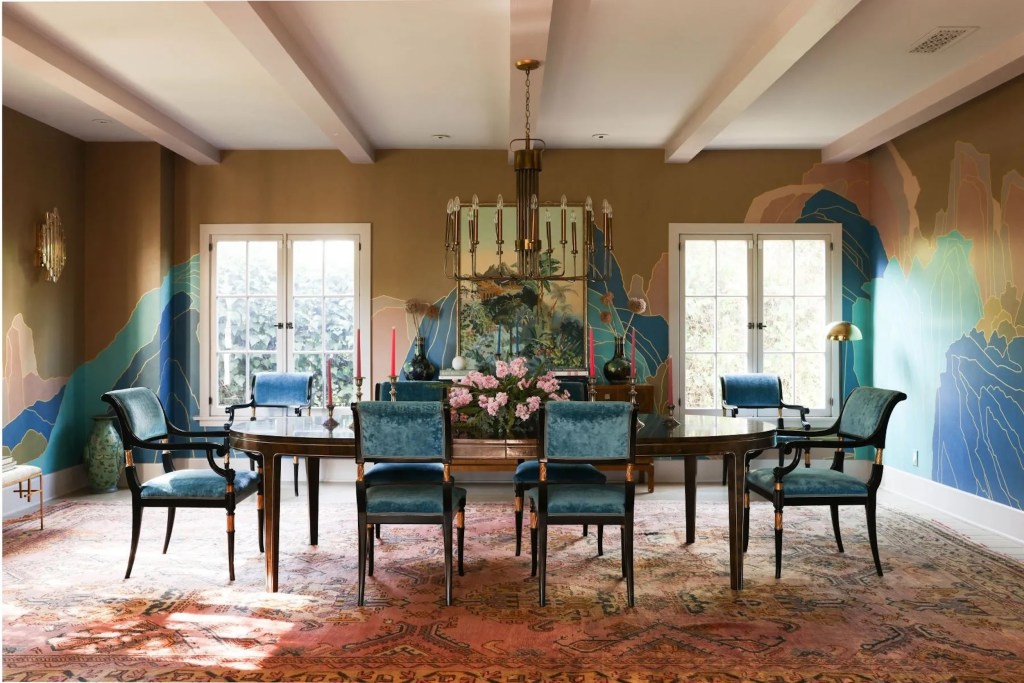
Los Feliz, California | Sotheby’s International Realty – Los Feliz Brokerage
Take the dining room of a boldly decorated Spanish-style home in the Los Angeles neighborhood of Los Feliz, where a hand-painted mural provides the backdrop to a gold-toned chandelier, wall light and floor lamp, as well as a row of dinner candles.
Lighting can also be a decorative statement in its own right. In a glass-fronted contemporary lake house in the Cotswolds, England, this takes the form of a trio of minimalist pendants, which radiate a warm glow, complemented by illuminated niches powered by an integrated Lutron lighting system.
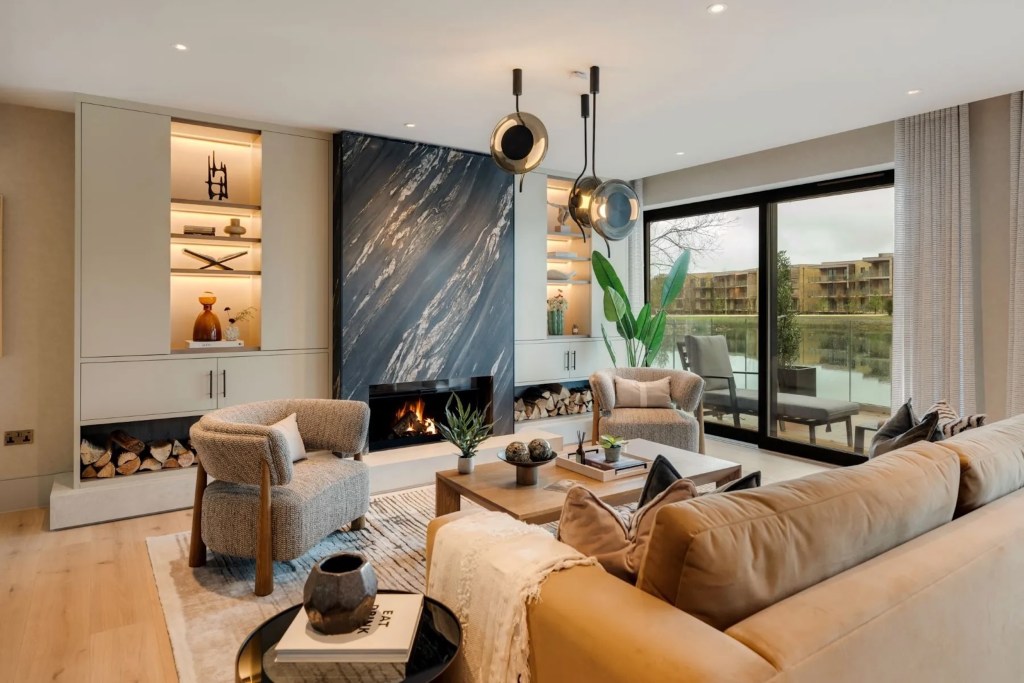
Cotswolds, England | United Kingdom Sotheby’s International Realty
Just as eye-catching is the French Empire-style glass and gilt-bronze basket chandelier that anchors the sitting room of a sprawling early 20th-century country house in neighboring Wiltshire. Softly filtering the light, it illustrates Orsman’s philosophy: “Ultimately, we want to experience the light, not the apparatus producing it.”
Lighting needn’t be entirely inward-looking, especially in fall and winter. “As darkness arrives earlier, the relationship between interior and exterior lighting becomes increasingly important,” suggests Orsman. Illuminating a tree, garden, architectural feature or even adding a fire pit can all extend the visual experience of a home.
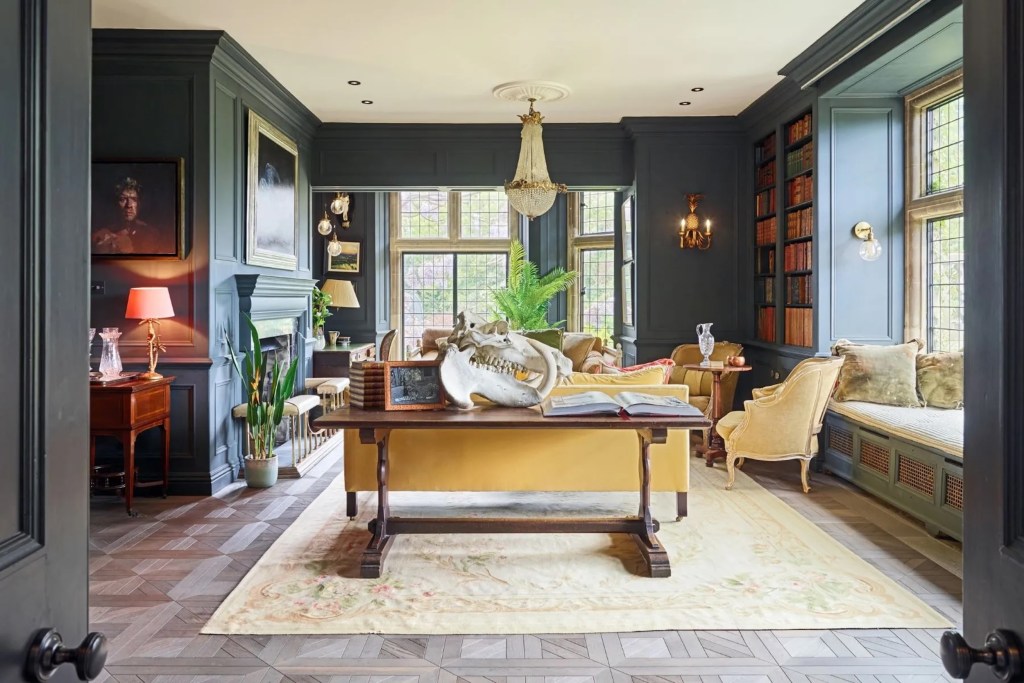
Wiltshire, England | United Kingdom Sotheby’s International Realty
It is something a refined farmhouse in the Catskills, New York, does well, combining floor lamps and candlelight indoors, with a terrace fire pit drawing the eye outside.
Equally important is the lighting in those often overlooked, connecting spaces such as staircases, corridors and entrance halls. Think softly illuminated passageways, backlit curtains, or even a wine room, where lighting can be used in surprising ways.
“I love the idea of using light almost as a portal,” says Orsman, “connecting spaces while giving each one its own identity.” The technical work behind good lighting shouldn’t be obvious. “What we should experience is the beauty of a space and the joy of being in it.”
From candles to candelabra, learn more about the art of traditional home lighting