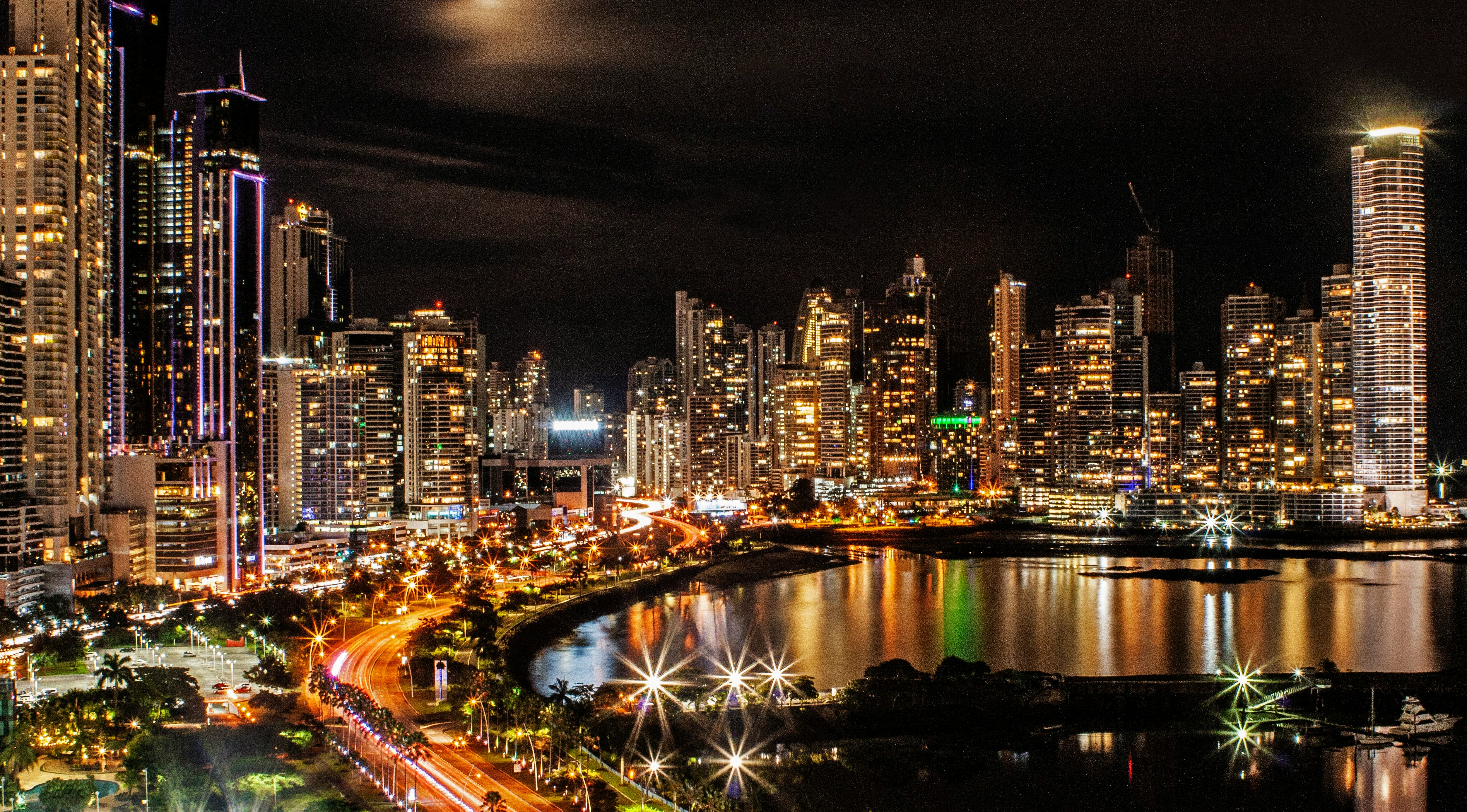
Munich has the cultural cachet and convenience of a major city, but with a relaxed charm all of its own, writes Florian Siebeck
Munich, Germany | Munich Sotheby’s International Realty
Munich consistently ranks as Germany’s most livable city. Key to its appeal is how easily it slips between urban life and the outdoors. The Alps hover on the horizon, lakes and ski slopes are close enough for a day trip, and summer in the Bavarian capital is spent along the banks of the Isar river or under the chestnut trees of its beer gardens.
The result is a city that feels noticeably more relaxed than its prosperous, polished image. “There’s a reason locals call it Italy’s northernmost city,” says Munich-based interior architect Justin Howlett, named in Architectural Digest’s AD100 list for 2025. “Munich has always been deeply attached to its traditions, but without turning its back on the world.”
That balance is most visible come fall, when the city swaps cashmere for lederhosen and descends on the Theresienwiese for Oktoberfest—or the “Wiesn” as locals call it. For all its global renown, this beer and folk festival remains remarkably local at heart: a centuries-old tradition that Munich has somehow turned into a party for the world. Testament, perhaps, to the city’s enduring talent for enjoying the good life.

Munich, Germany | Munich Sotheby’s International Realty
One of Munich’s most coveted residential spots is Lehel, between Altstadt (the old town) and the river. “Despite being in the centre, Lehel retains the intimate feel of a neighborhood, with excellent cafes and restaurants tucked between ornate art nouveau buildings,” says Michael Reiss, managing director of Sotheby’s International Realty Bavaria. Howlett calls it Munich’s “sophisticated heart.”
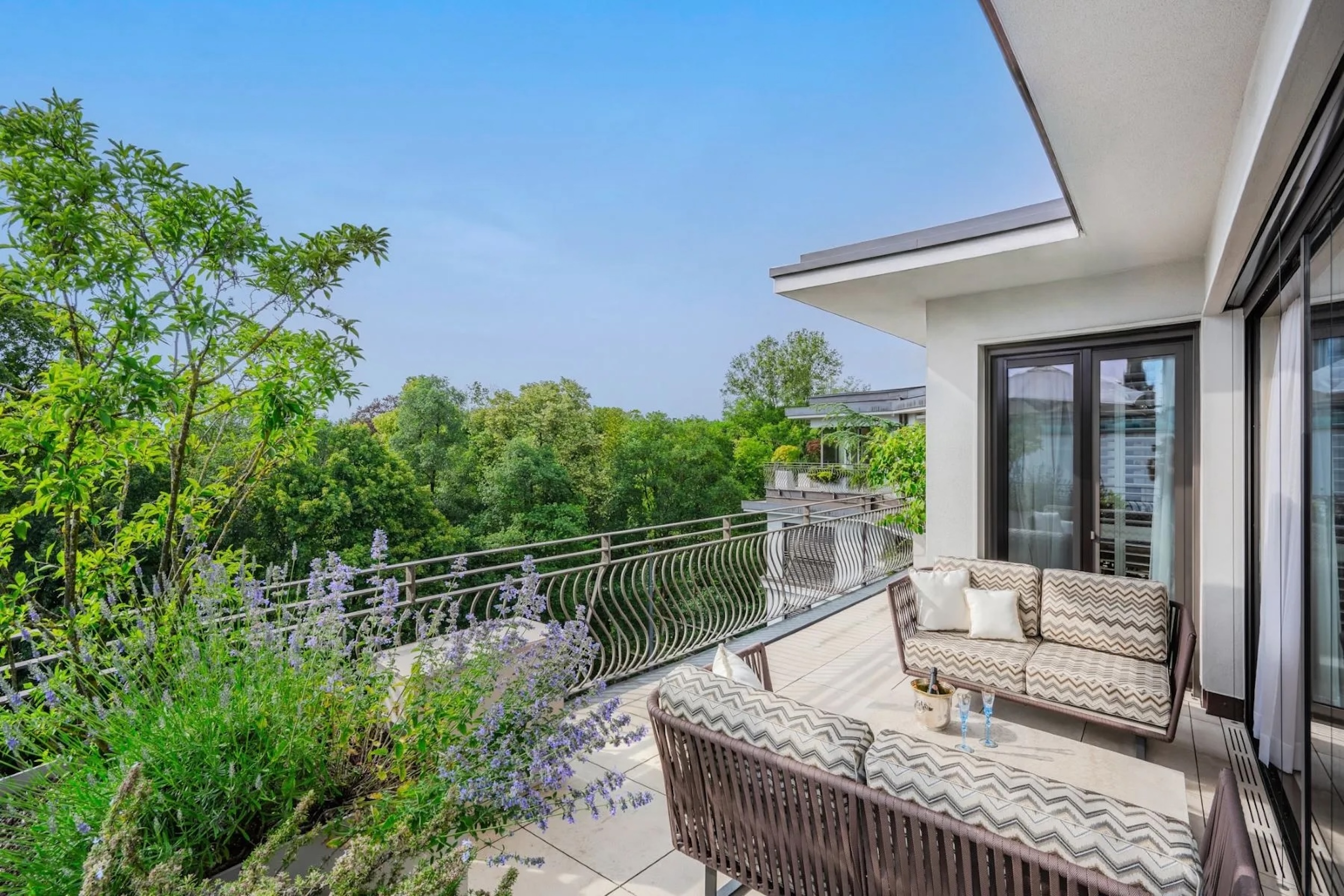
The district is home to some of the city’s most important cultural institutions, from the Haus der Kunst (House of Art) to the Bavarian National Museum. Hidden behind the latter is a 6,450 square foot whole-floor penthouse—“the largest currently available in Munich,” according to Reiss. Its wraparound terrace looks out across the treetops of the English Garden. “There’s almost a Park Avenue quality to it,” says Reiss.
Munich, Germany | Munich Sotheby’s International Realty
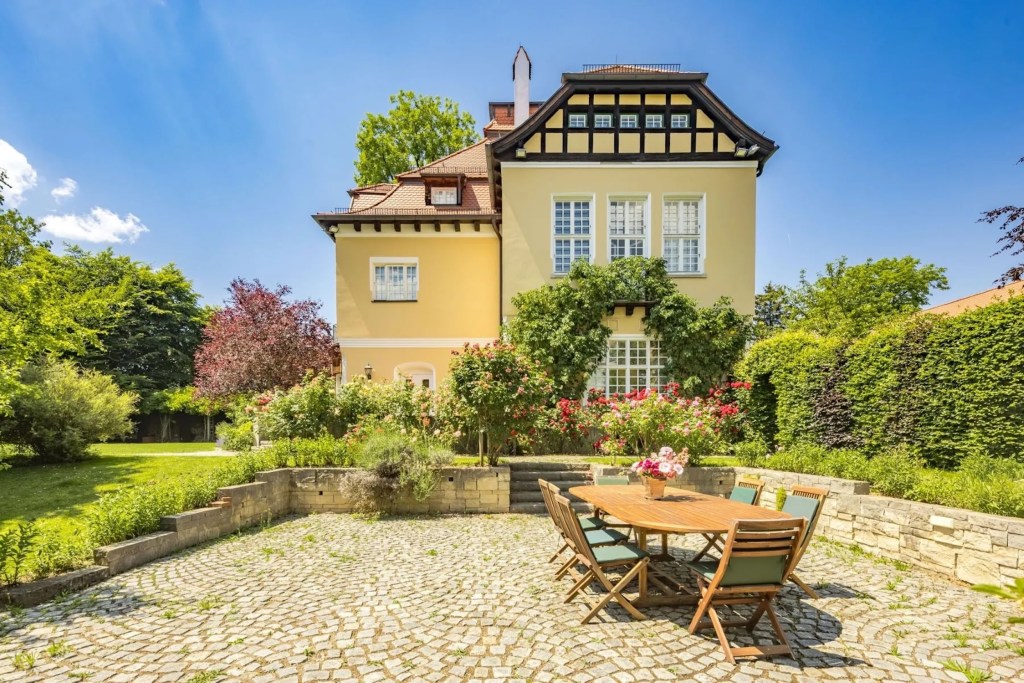
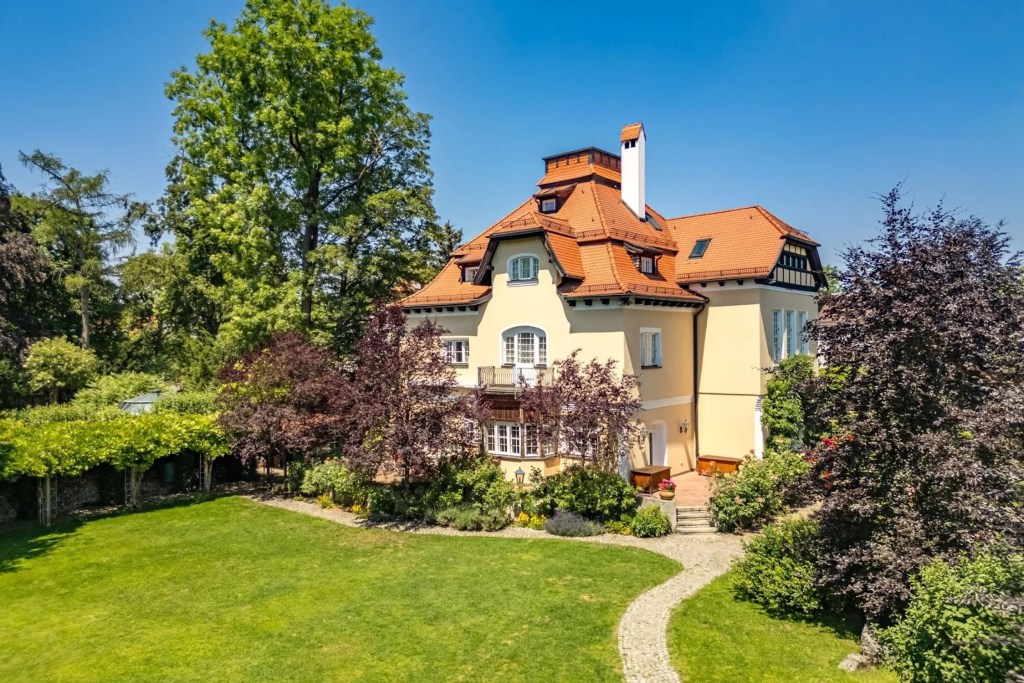
Equally verdant, though more rooted in Munich’s past, is Villa Riemerschmid. The art nouveau architect Richard Riemerschmid (1868-1957), who was responsible for the interiors of the Munich Kammerspiele theater in Altstadt-Lehel, created this home in Pasing, a leafy neighborhood to the west of the city.
“The villa retains many of his original details,” says Reiss of the property, which has been carefully restored. “It’s surrounded by park-like grounds and entered through its own courtyard, so it feels remarkably removed from the city around it.”

Munich, Germany | Munich Sotheby’s International Realty
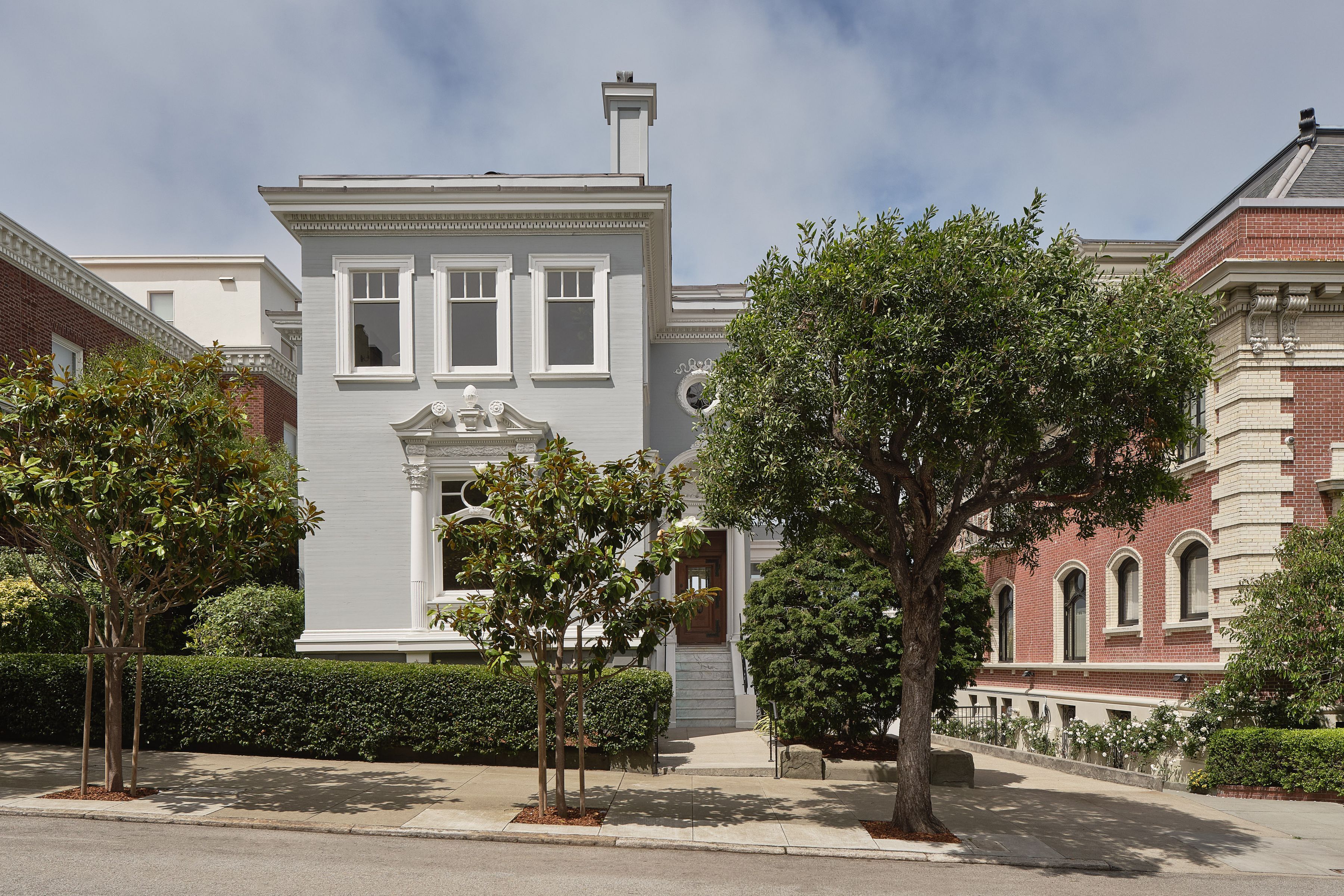
Nymphenburg, along the Schlosskanal, is an address where the name and architecture does the talking: quietly affluent, but never particularly interested in showing off. Weekends are spent over brunch at the Palmenhaus, a beer at the sprawling Königlicher Hirschgarten, or dinner at Acetaia, often talked of as the city’s best Italian restaurant. In winter, when the canal freezes over, locals even take to the ice for curling.
Much of Nymphenburg’s cachet comes down to its eponymous palace, which gives this corner of the city an almost stately air. Few homes are more closely tied to it than an 1820s villa on the historic Schlossrondell circle of baroque mansions, looking directly towards the royal residence. Behind its period facade, the house remains largely empty, leaving its next owner free to restore it faithfully—or model something more experimental.
Munich, Germany | Munich Sotheby’s International Realty
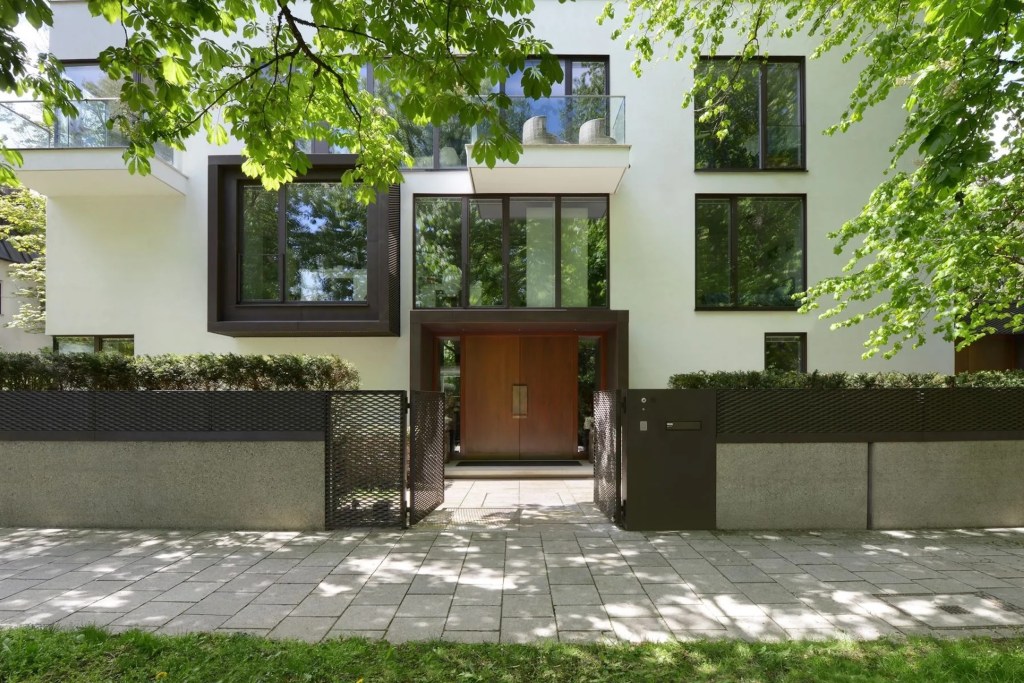
A three-story maisonette in the same neighborhood has a contemporary feel, with floor-to-ceiling windows that open onto a south-facing garden. And Villa Élysée in Obermenzing, Nymphenburg’s smaller and more affordable neighbor, is a similarly turnkey option.
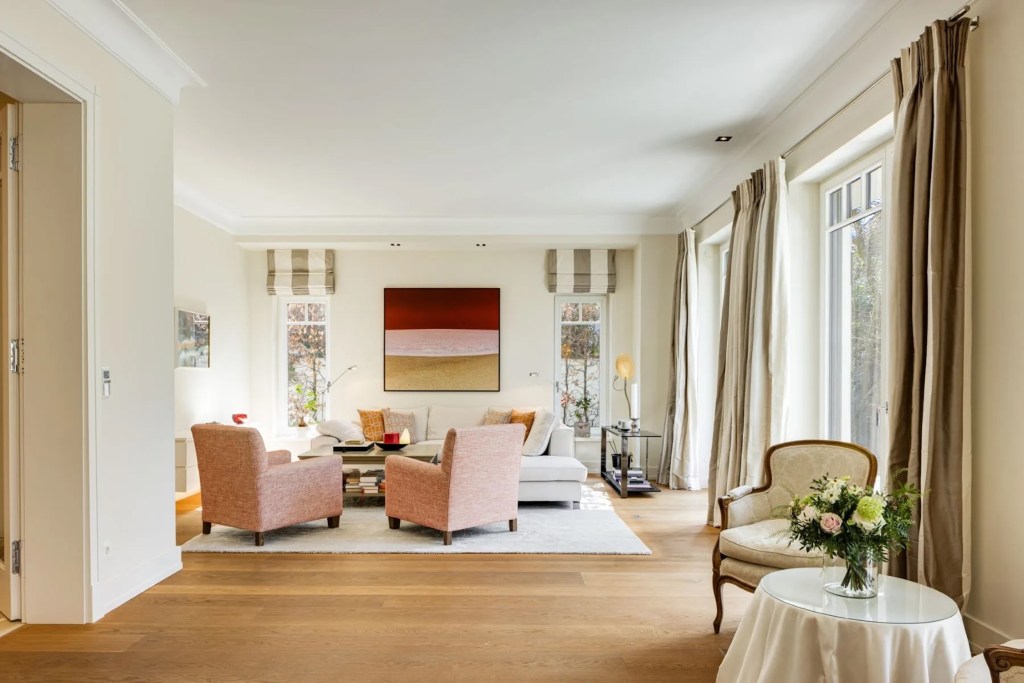
“Architecturally, the villa is classical, but everything is absolutely state of the art,” says Reiss of this 6,000 square foot home. The property combines grand proportions—high ceilings, double doors and a light-filled living room—with luxurious amenities, including a wine cellar, cinema, sauna and pool.
Munich, Germany | Munich Sotheby’s International Realty
“Obermenzing has this unusual position between city and countryside,” says Howlett. “You still feel part of Munich, but there’s a completely different pace of life, almost like in a village.” As Reiss observes of the area: “It has a more organic, lived-in feel.”
For Munichers, getting away from it all rarely requires a long journey. Nor does the city dictate or chase trends, Howlett adds, but is happy to be itself. “Munich offers everything one expects from a major city without ever quite feeling like one. That is perhaps its greatest quality, and what makes it so exceptionally livable.”
From southern Germany to northern Italy—explore the design mecca of Milan