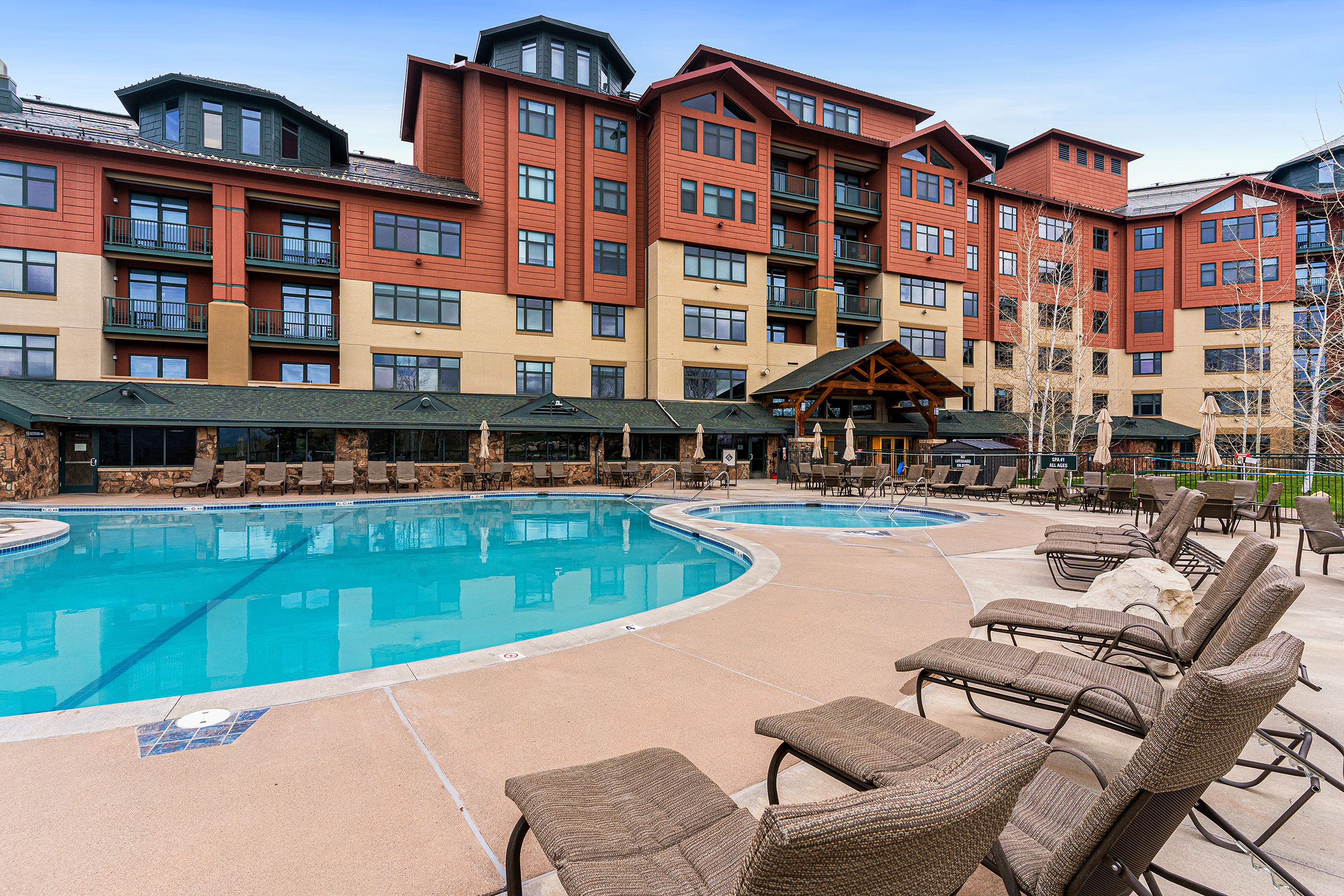
We caught up with local real estate expert and Steamboat Sothebys International Realty agent, Ryan Cox to talk about today’s buyer psychology, the performance of short-term and mid-term rentals, and the new dynamics shaping investment opportunities in Steamboat Springs.
Q: What trends are you seeing in buyer psychology right now, and what kind of performance can one expect from a short-term rental in Steamboat Springs?
A: Buyers today are more data-driven than ever, but in Steamboat, there’s still a strong emotional component. Most people looking here want more than numbers on a spreadsheet, they’re seeking a property that performs financially and enhances their lifestyle. When it comes to short-term rentals, performance has been fairly consistent across the market. After accounting for management fees — typically 25% to 35% — plus taxes and HOA costs, most owners see a net return in the range of 1% to 3% at current property values. That’s assuming there’s no debt service. Of course, there are always exceptions, and higher-end properties often yield slightly stronger returns.
That said, investing in Steamboat is really an investment in lifestyle. Going the STR route allows owners to enjoy their property while benefiting from cash flow and long-term appreciation. When you combine those elements – use, enjoyment, and growth -Steamboat, like other premier mountain towns, becomes a compelling place to invest. For those seeking a pure investment with maximum cash flow, however, markets like Dallas, Boise, or Charlotte may offer better returns.
Q: Beyond lifestyle and rental income, what other financial or tax advantages come with owning an investment property in Steamboat?
A: There are some powerful tax strategies that can make a Steamboat investment even more appealing. For instance, 100% Bonus Depreciation allows investors to accelerate write-offs and offset a significant portion of taxable income in the first year of ownership or operation.
For those selling another property, a 1031 Exchange can defer capital gains by rolling the proceeds into a new Steamboat purchase. When you combine these tools with lifestyle use and long-term appreciation, the investment thesis becomes not just attractive, but truly compelling.
Q: Which areas or property types tend to perform best as rentals in Steamboat?
A: Properties close to the base area generally perform the strongest because guests value convenience, easy access to the slopes, dining, and Steamboat’s newly reimagined base experience. But every property is unique and should be evaluated individually. For example, high HOA dues can really eat into income, even if a unit commands high average daily rates and occupancy.
Small upgrades can also make a big difference. Based on conversations with local management companies, features like a private hot tub, air conditioning for warmer months, or blackout blinds can meaningfully increase bookings and nightly rates.
There are also some fascinating opportunities in the Downtown area, properties that include both a primary residence with an active STR license and a separate Accessory Dwelling Unit (ADU) for long-term rental. These setups are incredibly versatile, generating steady year-round income across different renter segments and driving stronger overall returns.
Q: How have Steamboat’s short-term rental regulations reshaped the investor landscape?
A: Since the adoption of the Short-Term Rental Overlay Map in June 2022, we’ve seen a steady uptick in 30-day-plus rentals. These longer-term stays appeal to digital nomads, extended-stay visitors, friends and family of locals, and residents in transition. It’s a segment that stays compliant with city regulations while offering guests a more immersive Steamboat experience.
This trend isn’t unique to Steamboat, we’re seeing it in many resort destinations with new restrictions on nightly rentals. While short-term stays still yield the highest average daily rates, long-term rentals are becoming an interesting alternative for homeowners looking to monetize their properties in a compliant way.
Many savvy operators now toggle between STRs and LTRs…renting short-term during peak winter and summer seasons, then switching to longer-term rentals during shoulder seasons. This approach minimizes income gaps and helps maximize gross annual revenue.
Bottom line:
Steamboat Springs continues to attract investors drawn to more than just numbers. Here, the investment story is as much about mountain lifestyle, flexibility, and long-term growth as it is about cash flow.
*Ryan Cox is luxury real estate broker with Steamboat Sotheby’s International Realty with a portfolio of high-end residential and development projects across Steamboat Springs. Cox was a cofounder of SmartPads, a luxury prefab home company that delivered more than 50 projects throughout the Mountain West.